 Save to Pinterest
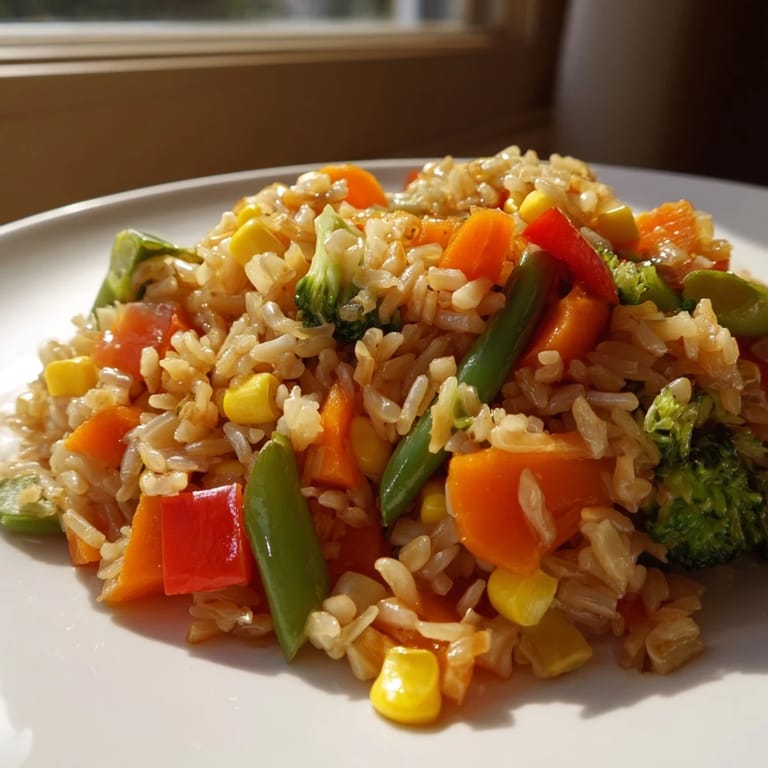
 There's something almost magical about the sound of rice hitting a hot wok—that sharp sizzle that tells you everything is about to come together. I discovered vegetable fried rice not in a restaurant, but on a Tuesday night when my fridge was nearly empty and I had leftover rice staring at me. Twenty minutes later, I had a colorful, fragrant dish that tasted like I'd actually planned it all along. Now it's become my go-to when I want something that feels restaurant-quality but comes together faster than delivery.
I made this for my roommate once when she came home looking completely defeated by her day, and watching her face light up as she took that first bite reminded me that food doesn't have to be complicated to make someone feel cared for. She asked for the recipe that night, and now she texts me photos of her own versions with different vegetable combinations.
Ingredients
- Cooked jasmine or long-grain rice (3 cups, preferably day-old and cold): This is the non-negotiable foundation—day-old rice has lost enough moisture that it won't turn into mush when it hits the hot wok, while fresh rice tends to clump and get soggy.
- Carrots (1 cup, diced): They add natural sweetness and stay pleasantly firm if you don't overcook them, plus their bright orange color makes the whole dish look alive.
- Bell pepper (1 cup, diced): I prefer using red or yellow peppers because they're sweeter than green, but honestly use whatever color you have on hand.
- Frozen peas (1 cup, thawed): Fresh peas are lovely if you have them, but frozen ones work just as well and are honestly more convenient.
- Broccoli florets (1 cup, small): Keep them small so they cook quickly and stay crispy—large pieces will turn mushy before the rice finishes cooking.
- Sweet corn kernels (1/2 cup): Fresh or frozen both work beautifully; they add a subtle sweetness that balances the salty soy sauce.
- Green beans (1/2 cup, chopped): These add a textural contrast and a grassy freshness that rounds out the dish nicely.
- Green onions (3, sliced): Reserve some for garnish at the end—their fresh bite cuts through the richness of the sesame oil.
- Garlic and ginger (2 cloves and 1-inch piece, minced): This aromatic base is what makes your kitchen smell like a proper stir-fry restaurant, so don't skip it or use powdered versions.
- Soy sauce (3 tbsp): Use tamari if you need it gluten-free; this is where most of the dish's savory depth comes from.
- Sesame oil (1 tbsp): A little goes a long way here—its nutty warmth ties everything together.
- Vegetable oil (1 tbsp): You need this for the initial cooking since sesame oil burns at high heat.
- Toasted sesame seeds (1 tsp, optional): These add a final nutty crunch and visual appeal, though the dish is complete without them.
- White pepper (1/2 tsp): I prefer white pepper in fried rice because it distributes more evenly and doesn't create visible dark specks.
Tired of Takeout? 🥡
Get 10 meals you can make faster than delivery arrives. Seriously.
One email. No spam. Unsubscribe anytime.
Instructions
- Heat your wok or skillet:
- Get your large wok or deep skillet screaming hot over medium-high heat with the vegetable oil—you want to hear it crackle slightly when you add the first ingredients. This high heat is what creates that restaurant-style texture and flavor.
- Bloom the aromatics:
- Toss in the minced garlic and ginger and let them sizzle for about 30 seconds until your kitchen fills with that intoxicating aroma. Don't let them brown; you just want them fragrant.
- Stir-fry the harder vegetables:
- Add the carrots, bell pepper, broccoli, green beans, and corn all at once, keeping your spatula moving constantly for 3–4 minutes. You want them to soften slightly but still have some bite when you eat them; if they're completely soft, you've gone too far.
- Add the peas and most of the green onions:
- Stir these in gently and let everything cook together for about 1 minute—the peas thaw quickly and the green onions add a fresh element.
- Make space for the rice:
- Push all your vegetables to the sides of the wok to create a well in the center, then crank the heat up to high. Add your cold rice to that hot center and let it sit for a few seconds before stirring; this contact with the hot surface is what gives it that slightly toasted flavor.
- Break up and warm the rice:
- Use your spatula to break up any clumps and toss everything together for 2–3 minutes until the rice is heated through and starts to pick up some color from the wok's heat. You're looking for grains that move independently, not a solid mass.
- Season to taste:
- Drizzle the soy sauce and sesame oil over everything and toss well, then sprinkle with white pepper. Taste it before you finish and adjust the salt or soy sauce if needed—this is your moment to make it perfect for your palate.
- Finish and serve:
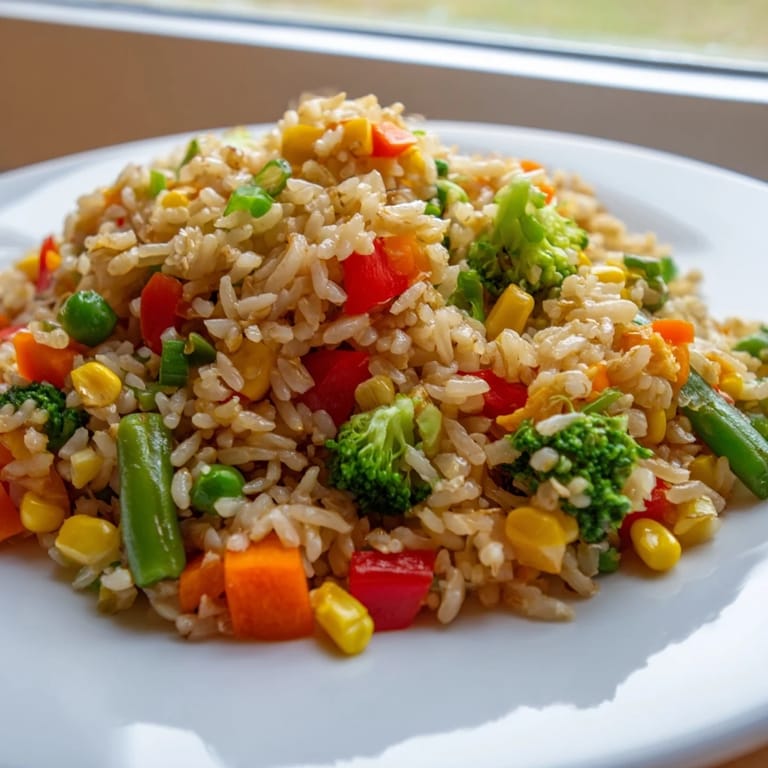
- Remove from heat, garnish with your reserved green onions and sesame seeds if using, and serve immediately while the rice is still steaming. Any longer sitting and it starts to firm up as it cools.
 Save to Pinterest
 There was this moment when I made this for a dinner party and someone asked if I'd ordered it, and I realized that was the real victory—not just that it tasted good, but that it looked like something that required way more effort than it actually did. That's when cooking stops being about following instructions and starts being about confidence.
The Rice Question
I used to think using day-old rice was just a suggestion, but it's actually the difference between fried rice and sad, clumpy rice with stuff in it. Cold rice grains are firmer and less likely to stick together, so when they hit the hot wok, they stay separate and get those little toasted edges that make the whole dish taste better. If you find yourself without leftover rice, you can spread freshly cooked rice on a baking sheet and let it cool in the fridge for an hour or two—it won't be quite as good as overnight old rice, but it's better than using warm rice straight from the pot.
Vegetable Flexibility
One of the best things about fried rice is how forgiving it is with vegetables—honestly, use whatever you have sitting in your crisper drawer. I've made versions with mushrooms, zucchini, snap peas, cabbage, and even leftover roasted broccoli, and it always comes out delicious. The key is just cutting everything into roughly the same size so it cooks evenly, and remembering that denser vegetables like carrots and broccoli take longer to soften than something like bell peppers or zucchini.
Making It Your Own
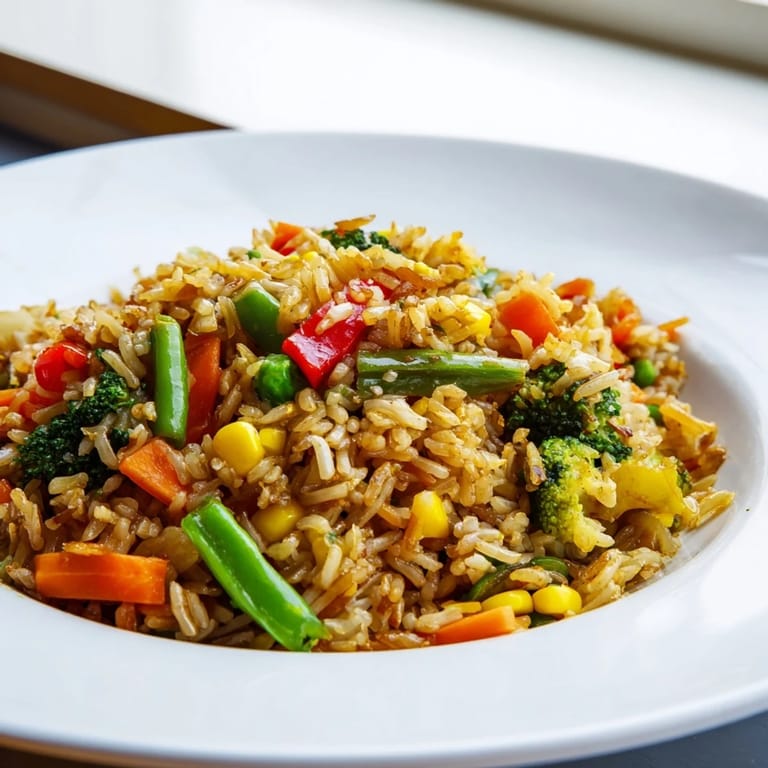
Once you master the basic technique, this recipe becomes a blank canvas for whatever you're craving. I've added scrambled eggs for extra protein, thrown in cubed tofu, stirred in a teaspoon of chili sauce for heat, and even tossed in cashews for crunch. The foundation stays the same, but the possibilities shift depending on what you're in the mood for and what you have available.
- For a protein boost, scramble an egg or two separately and stir it in at the very end, or cube some tofu and cook it alongside the vegetables.
- If you want heat, add a splash of sriracha, a few sliced fresh chilis, or a teaspoon of chili-garlic sauce when you're seasoning the rice.
- Fresh herbs like cilantro, basil, or even a squeeze of lime juice can transform the flavor profile if you're feeling adventurous.
 Save to Pinterest
 This dish reminds me that the best meals are the ones that don't feel like you spent hours in the kitchen, even though every bite tastes intentional and delicious. Make this once and you'll find yourself reaching for it again and again, not because it's easy, but because it actually tastes like something you want to eat.
Recipe FAQs
- → Can I use fresh rice instead of day-old rice?
Day-old cold rice works best because it's drier and won't clump. Fresh warm rice tends to get mushy. If you must use fresh rice, spread it on a plate to cool completely before stir-frying.
- → What vegetables can I substitute?
You can use mushrooms, zucchini, snap peas, cabbage, or water chestnuts. Keep a similar volume of vegetables and adjust cooking times based on density. Harder vegetables need longer cooking than softer ones.
- → How do I make this spicier?
Add chili sauce, sriracha, or fresh chopped chilies to taste. You can stir them in with the soy sauce or serve on the side for individual preference. Start with a small amount and adjust to your heat level.
- → Can I add protein to this dish?
Absolutely. Scrambled eggs, tofu cubes, chickpeas, or cashews work well. Add eggs after the vegetables and before the rice, or stir in tofu during the final heating step.
- → Is this gluten-free?
Regular soy sauce contains gluten. Use tamari or certified gluten-free soy sauce instead. Check all ingredient labels for hidden gluten, and verify that your sesame oil and other seasonings are certified gluten-free.
- → How should I store leftovers?
Store in an airtight container in the refrigerator for up to 3 days. Reheat gently in a wok or skillet with a splash of water or soy sauce to restore moisture. You can also freeze for up to 2 months.