 Save to Pinterest
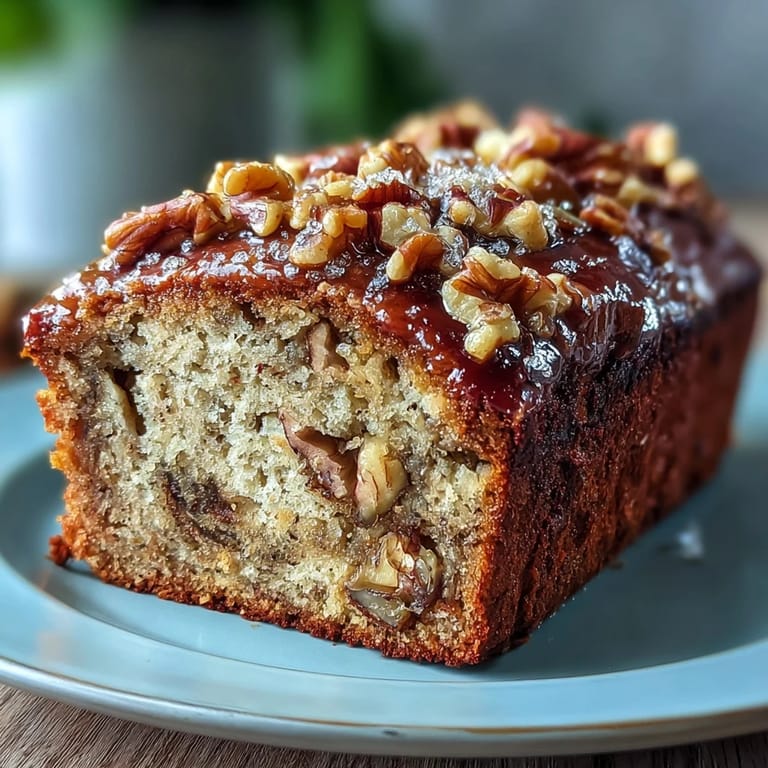
 My sourdough starter had been sitting on the counter for three days, looking neglected and accusatory, when I realized I couldn't bear to discard it again. Instead of tossing that bubbling mixture, I stirred it into banana bread batter and something magical happened—a subtle tang threaded through the sweetness, making the bread taste like it had been aging in a bakery for weeks. That moment taught me that sometimes the ingredient you're about to throw away is exactly what your kitchen needs.
I baked this for my neighbor who'd been dealing with a demanding week, and watching her face light up when she bit into a still-warm slice felt like I'd done something worthwhile. She came back the next morning asking if I could leave another loaf on her porch, and suddenly this bread became our quiet language of care.
Ingredients
- Ripe bananas (1 cup mashed, about 2 large): Use bananas with brown spots and soft flesh—they're sweeter and blend more easily, creating a naturally moist crumb.
- Sourdough discard (1/2 cup, unfed): This is your secret weapon for depth; unfed discard is thinner and incorporates seamlessly without extra liquid adjustment.
- Unsalted butter (1/2 cup melted): Melted butter distributes evenly and creates a tender, cake-like texture that holds up beautifully.
- Eggs (2 large, room temperature): Cold eggs don't emulsify properly, so pull them out 20 minutes before baking—this small step prevents a gummy center.
- Whole milk (1/2 cup, room temperature): The dairy adds richness and helps the sourdough flavor bloom without overshadowing the banana.
- Vanilla extract (1 tsp): A single teaspoon rounds out flavors without making the bread taste like vanilla cake.
- All-purpose flour (1 3/4 cups): Measured by spooning and leveling prevents dense bread from too much flour.
- Granulated sugar (3/4 cup): This sweetens the crumb and helps with moisture retention as the loaf sits.
- Baking soda (1 tsp): The acid from sourdough discard reacts with baking soda, creating lift and a tender crumb—don't skip it or use baking powder alone.
- Baking powder (1/2 tsp): This adds gentle lift without metallic aftertaste that can come from baking soda alone.
- Salt (1/2 tsp): Amplifies sweetness and balances the tangy sourdough notes.
- Ground cinnamon (1 tsp in batter, 1/2 tsp in topping): The spice deepens as the bread bakes, warming every bite without any harshness.
- Walnuts (3/4 cup, chopped and lightly toasted): Toasting them first brings out nutty oils and prevents a raw, bitter flavor buried in the crumb.
- Light brown sugar (1/4 cup for topping): Packed brown sugar prevents dry spots in the crust and creates pockets of caramel.
Tired of Takeout? 🥡
Get 10 meals you can make faster than delivery arrives. Seriously.
One email. No spam. Unsubscribe anytime.
Instructions
- Prepare your pan and heat:
- Set the oven to 350°F and line a 9x5-inch loaf pan with parchment, letting it hang over the sides so you can lift the cooled bread out easily. Greasing works too, but parchment gives you confidence and a cleaner loaf.
- Combine wet ingredients:
- In a large bowl, whisk the mashed bananas, sourdough discard, melted butter, eggs, milk, and vanilla until smooth and pale—you're looking for everything to move together as one liquid. This takes about a minute of whisking; don't rush.
- Mix dry ingredients separately:
- In another bowl, whisk together flour, granulated sugar, baking soda, baking powder, salt, and cinnamon, breaking up any clumps of brown sugar if you're tempted to sneak it in. This prevents streaks of baking soda from creating bitter spots.
- Combine wet and dry gently:
- Pour the wet mixture into the dry ingredients and stir with a spatula using just 15–20 strokes until you can't see dry flour anymore—overmixing develops gluten and makes the bread tough and dense. A few lumps are your friends here.
- Fold in the walnuts:
- Gently stir the toasted walnuts through the batter, distributing them evenly so each slice gets a few pieces.
- Pour and prepare the crust:
- Transfer the batter to your prepared pan and smooth the top with the back of your spatula. In a small bowl, mix the packed brown sugar, melted butter, and cinnamon until it looks like damp sand, then sprinkle it evenly over the batter—don't press it down.
- Bake with patience:
- Slide the pan into the oven for 50–60 minutes; a toothpick inserted into the center should come out with a few moist crumbs clinging to it, not wet batter. The crust should be deep golden and crackled on top.
- Cool and rest:
- Let the bread sit in the pan for 15 minutes so it sets and stops steaming, then turn it out onto a wire rack. This pause prevents the bottom from becoming soggy.
 Save to Pinterest
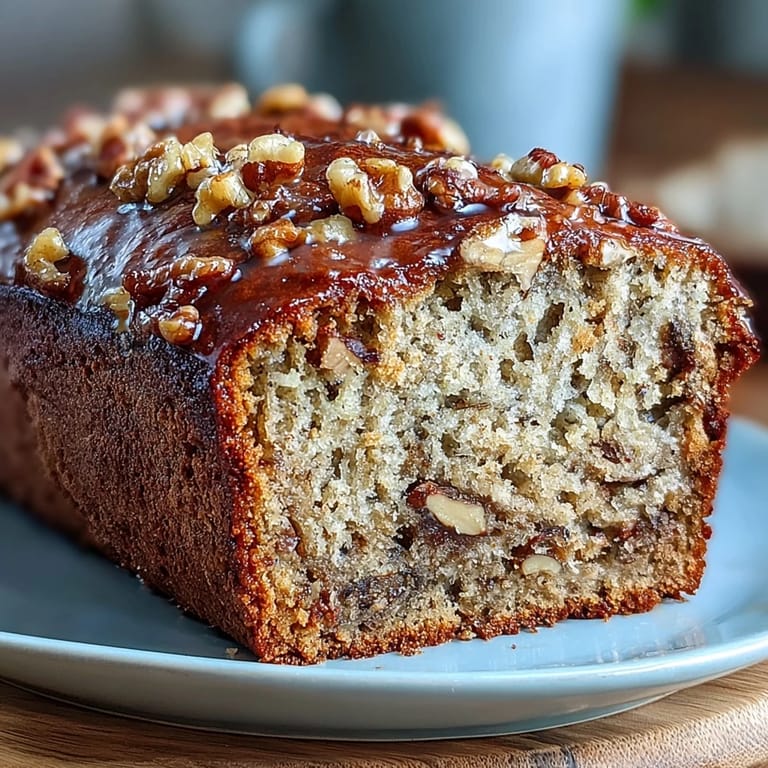
 There's a particular quietness to slicing into warm banana bread, that sound the knife makes, the steam rising up and fogging your glasses. It's a moment when you realize you've made something that feeds people in more ways than just calories.
The Magic of Sourdough Discard
Using sourdough discard in baking is like recycling with purpose—instead of tossing out starter every week, you're channeling that fermented tang into something that tastes deliberately complex. The discard adds moisture without making you increase liquid ratios, and the wild yeast and bacteria create subtle flavors that develop over two or three days as the loaf sits on your counter. It's the reason this bread tastes even better on day two, when the flavors have settled and mingled.
Why This Bread Stays Moist
The combination of melted butter, sourdough discard, and mashed bananas creates a moisture-rich environment that keeps this loaf tender even after it cools. Unlike drier banana breads, this one maintains its soft crumb for four to five days when wrapped in plastic wrap, making it perfect for slicing thin and toasting for breakfast. The brown sugar crust also seals the top, preventing the surface from drying out faster than the interior.
How to Serve It Best
Slice this bread warm with a spread of salted butter or tangy cream cheese, letting the heat melt them into every crack and crumb. It's equally good toasted the next morning with strong coffee, or torn into chunks for bread pudding if you find yourself with leftovers and suddenly ambitious.
- If the top browns too quickly while baking, tent it loosely with foil for the last 15 minutes.
- Room temperature sourdough discard is non-negotiable—cold discard won't incorporate smoothly and can leave bits of starter floating through your batter.
- Store the wrapped loaf on the counter for up to four days, or freeze for up to three months, thawing wrapped to prevent condensation from making it soggy.
 Save to Pinterest
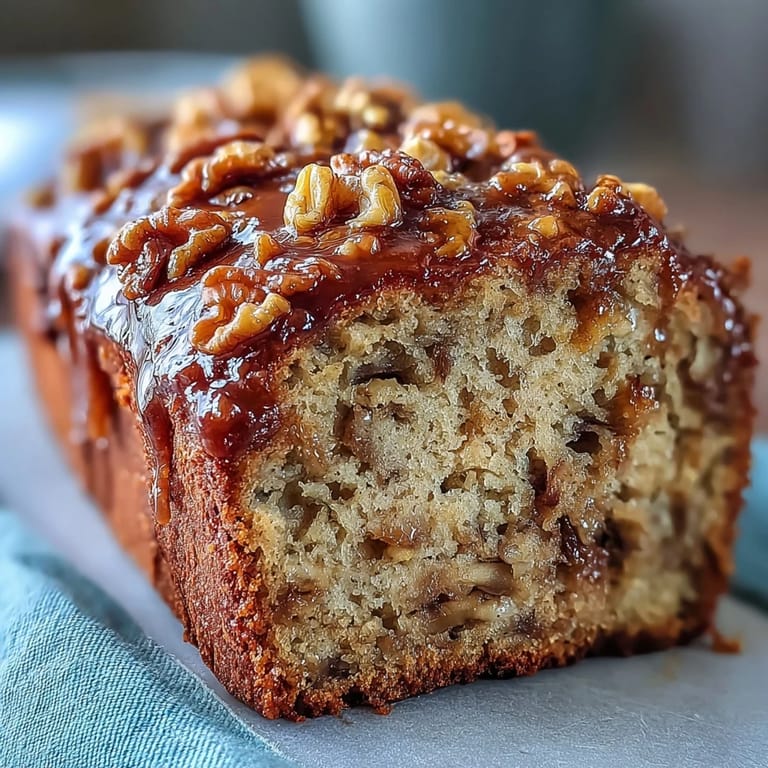
 This bread is a reminder that the things we almost throw away can become the things we reach for first. Make it whenever you need comfort in edible form.
Recipe FAQs
- → Can I substitute walnuts with another nut?
Yes, pecans or almonds work well as alternatives for a similar crunchy texture and nutty flavor.
- → What does sourdough discard add to the bread?
It brings a subtle tang and moist texture, enhancing complexity without overpowering the natural banana sweetness.
- → How do I achieve the crisp brown sugar crust?
Mix light brown sugar with melted butter and cinnamon, then sprinkle evenly over the batter before baking for a caramelized topping.
- → Is it best to use ripe bananas?
Yes, ripe bananas provide optimal sweetness and moisture, contributing to the loaf’s tender crumb.
- → Can I prepare this loaf ahead of time?
Absolutely, this loaf keeps well at room temperature for a couple of days and can be stored refrigerated to extend freshness.
- → What is the ideal baking time and temperature?
Bake at 350°F (175°C) for 50–60 minutes, until a toothpick inserted in the center comes out clean.