 Save to Pinterest
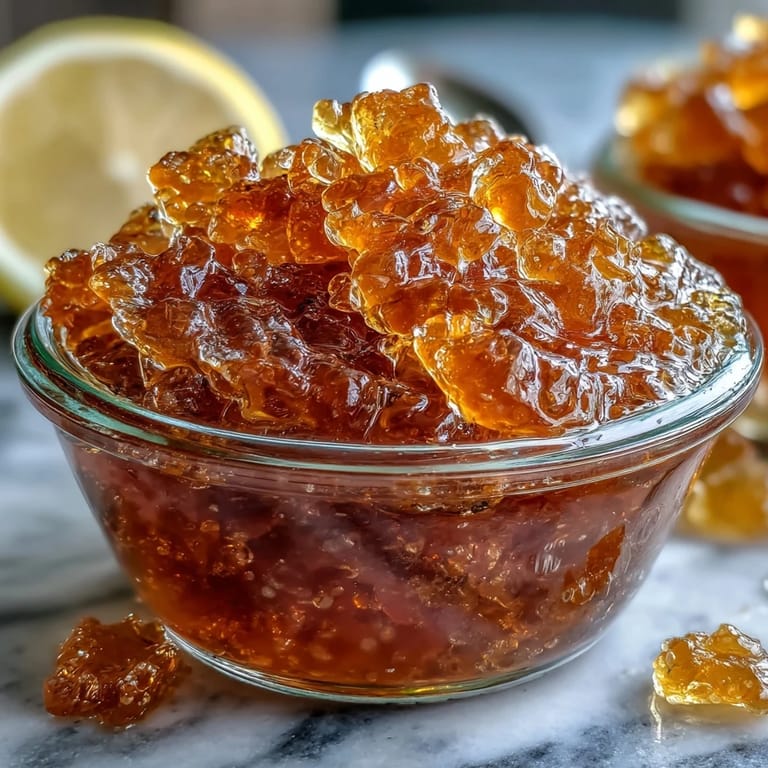
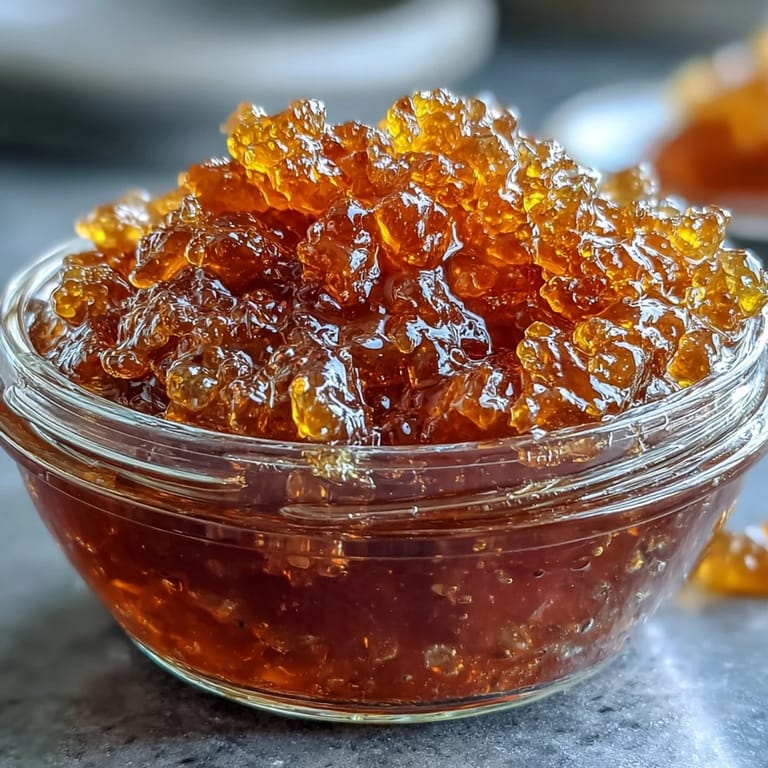
 Last spring, my neighbor handed me a basket of dandelion flowers she'd picked from her yard, insisting I do something with them before they went to seed. I'd never made flower jelly before, but watching those bright yellow petals steep into a golden tea felt like capturing sunlight in a pot. What started as curiosity turned into something I couldn't stop making—a spread so delicate and floral that even skeptics asked for the recipe.
I'll never forget serving this on homemade scones to my book club, watching everyone pause mid-bite with that surprised expression that says something unexpected just happened on their tongue. One person asked if I'd added rose water; another couldn't quite name what made it taste like memory. That's when I knew this recipe was special—it bridged the gap between fancy and homey in a way that made everyone feel a little more thoughtful about what they were eating.
Ingredients
- Dandelion petals: The heart of this jelly—only the sunny yellow petals matter, so pinch off every green sepal and stem with patience; this step takes time but makes all the difference in flavor and color.
- Water: This becomes your infusion base, drawing out the delicate floral essence without any bitterness.
- Fresh lemon juice and zest: The bright anchor that keeps the jelly from tasting too perfumy; don't skip the zest, as it adds complexity.
- Honey: Adds warmth and a subtle depth that white sugar alone can't achieve.
- Granulated sugar: Essential for structure and setting; measure precisely or your jelly might not gel properly.
- Powdered fruit pectin: The silent helper that transforms liquid into that perfect wobble; follow the box instructions closely, as brands vary slightly.
Tired of Takeout? 🥡
Get 10 meals you can make faster than delivery arrives. Seriously.
One email. No spam. Unsubscribe anytime.
Instructions
- Harvest and prepare your petals:
- Rinse the dandelion heads gently and let them air-dry completely—any water clinging to them will dilute your tea. Sit down with a small bowl and methodically pinch off the yellow petals, discarding all the green bits; it's meditative work, the kind that slows you down.
- Steep the flower tea:
- Combine petals and water in a medium saucepan, bring to a boil, then drop the heat and let it simmer for exactly 10 minutes. You'll watch the water transform into liquid gold, then walk away and let it steep for 30 minutes undisturbed—patience here develops the flavor.
- Strain and measure:
- Pour the steeped mixture through a fine mesh sieve or cheesecloth into a clean bowl, pressing gently on the petals to extract every last drop of that precious tea. You should end up with about 3 to 3½ cups; if you have less, add a bit of water to reach the right amount.
- Build your flavor base:
- Return the dandelion tea to your saucepan and stir in the lemon juice, lemon zest, and honey until everything dissolves smoothly. This is where the magic happens—the brightness cuts through the floral notes perfectly.
- Add pectin and bring to a boil:
- Whisk in the powdered pectin thoroughly, breaking up any lumps, then crank the heat to high and stir constantly as the mixture comes to a rolling boil. Don't walk away—you need to stay present here.
- Add sugar and reach hard boil:
- Dump in all the sugar at once and keep stirring as it returns to a full, rolling boil, then maintain that boil for 1 to 2 minutes. The mixture will smell incredible and bubble with purpose.
- Jar and seal:
- Remove from heat and quickly skim off any foam from the surface with a clean spoon. Using a ladle, carefully pour the hot jelly into sterilized jars, leaving exactly ¼-inch headspace, then wipe the rims clean and seal immediately with lids and bands.
- Process and cool:
- Place jars in a boiling water bath and process for 5 minutes, then remove carefully with a jar lifter. You'll hear those satisfying pops as the lids seal—that's the sound of success—and let everything cool completely at room temperature without moving the jars around.
 Save to Pinterest
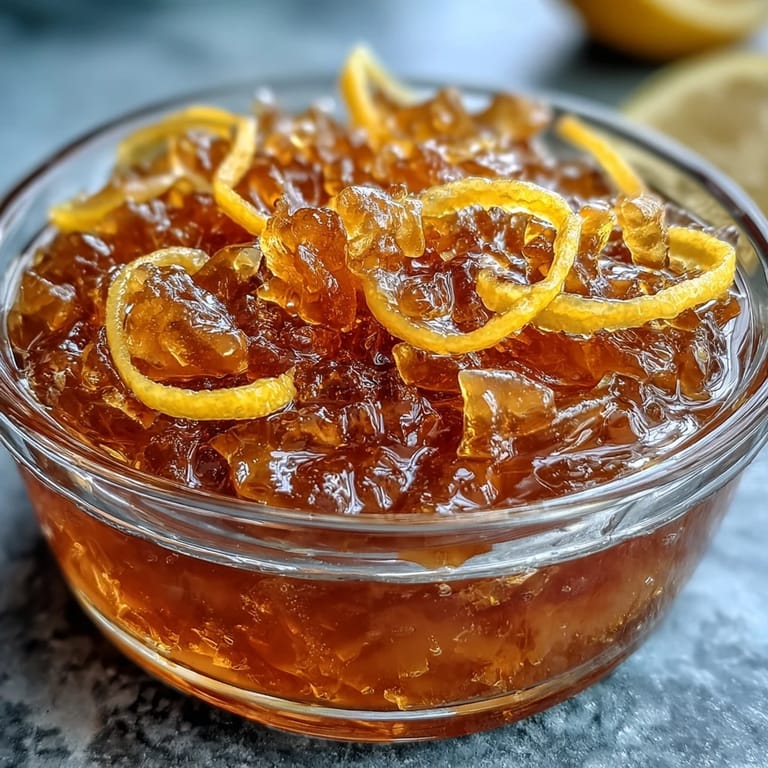
 There's something almost spiritual about opening a jar of this jelly months later, spooning it onto warm toast, and tasting spring all over again. It becomes the kind of preserve you give as gifts, the one people remember and ask about the next time they see you.
Foraging and Sourcing Dandelions
The best dandelion patches grow in yards that haven't seen herbicide spray in years, usually early to mid-spring when the flowers are thick and cheery. I've learned to knock on neighbors' doors and ask permission—most people are delighted someone wants to remove their dandelions, and it builds community in unexpected ways. Scout your location at least a week before you plan to pick so you know exactly where to go and can confirm the flowers are abundant enough.
Why This Jelly Tastes Different from Store Versions
Commercial jelly makers often use dried petals or concentrate, which loses the fresh, bright quality of working with fresh flowers. Making it yourself means you control every element—how strong you steep it, how much lemon brightness you add, whether you use honey or not. The result tastes alive in a way that bottled versions simply can't match, with layers that unfold on your tongue rather than hitting you all at once with sweetness.
Serving Ideas and Storage
This jelly shines on warm scones with clotted cream, swirled into yogurt for a delicate breakfast, or even as a glaze for pound cake and ice cream. Sealed jars keep in a cool, dark pantry for up to a year, though honestly, most people finish theirs much faster than that. Once opened, store in the refrigerator and use within a few weeks for best flavor.
- Try mixing a spoonful into cream cheese for an elegant spread on tea sandwiches.
- Drizzle over roasted pork or duck for a subtle floral note that surprises in savory dishes.
- Stir into sparkling water for a homemade cordial that tastes like spring in a glass.
 Save to Pinterest
 This jelly represents something larger than a recipe—it's a way to stay connected to the seasons and the land around you. Once you've made it once, you'll find yourself looking forward to spring with a whole new purpose.
Recipe FAQs
- → How do I prepare dandelion petals for use?
Remove green sepals and stems carefully, reserving only the yellow petals. Rinse gently to clean before steeping.
- → Can I substitute honey with another sweetener?
Yes, agave syrup can be used as a vegan-friendly alternative without impacting the setting process.
- → What equipment is essential for making this jelly?
A fine mesh sieve or cheesecloth for straining, a medium saucepan for cooking, and sterilized jars for preservation are key.
- → How long does the jelly take to set?
Cooling typically takes several hours, but full setting can require up to 24 hours.
- → Is the jelly suitable for gluten-free diets?
Yes, the ingredients are naturally gluten-free, making it safe for those avoiding gluten.