 Save to Pinterest
 The first time I smelled merguez sizzling on a Tunisian street grill, I was completely unprepared for how a single sausage could hold an entire landscape of flavors. The smoke curled up carrying notes of cumin and harissa that made my eyes water in the best way, and I knew right then I had to figure out how to make it at home. What started as a casual question to a vendor turned into a beautiful afternoon of learning—watching his hands work the meat mixture with the kind of confidence that only comes from making something a thousand times. That first batch I made was imperfect, the casings a little stubborn, but the taste transported me right back to that dusty market. Now, whenever I fire up the grill for merguez, I'm not just cooking sausage; I'm recreating that moment of discovery.
I made these for a dinner party last summer, and my friend who'd grown up eating merguez in Tunis took one bite and got this faraway look in her eyes. She told me it tasted like her grandmother's kitchen, and honestly, that moment made every fiddly step of stuffing casings completely worth it. Now she requests them every time she comes over, which means I've perfected my technique just trying to keep up with her appetite. There's something about feeding someone a taste of home—even if it's not technically your own—that feels like real cooking.
Ingredients
- Ground beef and lamb (250 g each): The combination is essential—beef brings structure while lamb adds that distinctive North African richness and gaminess that makes merguez unmistakable.
- Harissa paste (2 tbsp): This is your flavor anchor, so don't skimp or substitute without tasting as you go; different brands vary wildly in heat and depth.
- Cumin, coriander, smoked paprika, fennel, caraway (1 tbsp, 1 tbsp, 1 tsp, 1 tsp, 1 tsp): These spices work together like a choir—remove one and the whole song changes, so measure carefully and toast them mentally as you combine them with the meat.
- Cayenne pepper (1 tsp): Start here and adjust down if you're heat-sensitive; you can always add more but you can't take it back.
- Fresh cilantro and parsley (2 tbsp each): These herbs brighten everything up at the end and prevent the spice from becoming one-dimensional.
- Salt, black pepper, and cold water: The water helps bind everything together, and salt needs to be distributed evenly so every bite tastes intentional.
- Sausage casings (1.5 m, optional): Sheep casings are traditional and thinner than pork casings, which means they crisp up beautifully on the grill; soak them gently and they become surprisingly cooperative.
Tired of Takeout? 🥡
Get 10 meals you can make faster than delivery arrives. Seriously.
One email. No spam. Unsubscribe anytime.
Instructions
- Combine your meat base:
- In a large bowl, mix the ground beef and lamb together with your hands until they're evenly distributed—this takes about a minute and helps everything cook uniformly later.
- Build the spice layer:
- Add your garlic, harissa, and all the dry spices, then mix thoroughly for a full minute or two until the color is consistent throughout and you can smell all those North African aromatics releasing. The mixture should look unified and smell like you're about to do something delicious.
- Bring it together:
- Fold in the cilantro and parsley, then sprinkle the cold water over everything while mixing gently until the texture becomes slightly sticky and cohesive—this is when you know the binders are doing their job.
- Prepare your casings (if using):
- Rinse them gently under cool water and soak them according to package directions, usually 10-15 minutes in warm water; they'll soften from pale and stiff to almost translucent and pliable. Fit your sausage stuffer or a piping bag with a wide nozzle and carefully fill the casings, twisting into 5-6 inch links as you go—it's meditative work, almost like a kitchen dance.
- Or go casing-free:
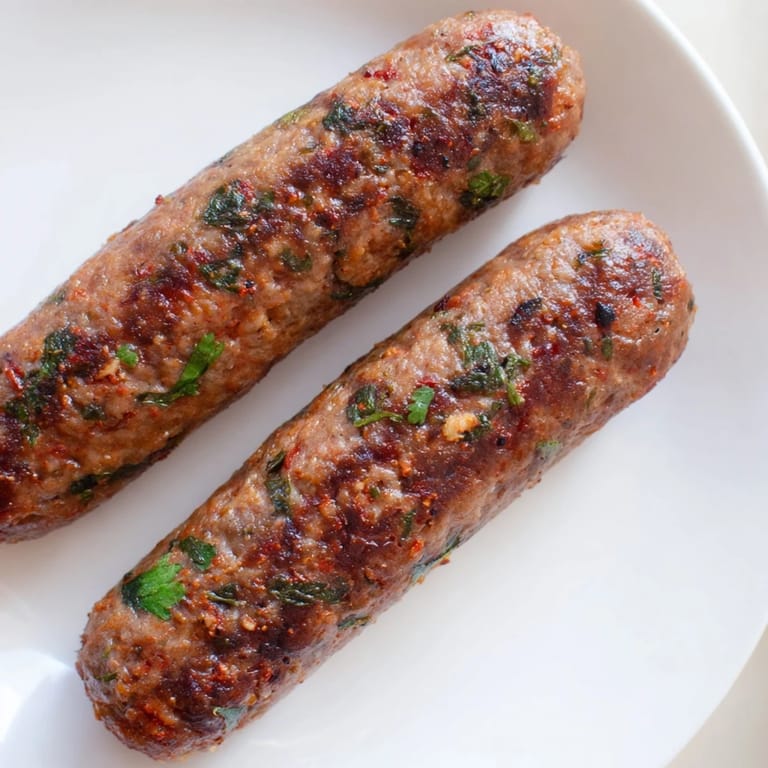
- Shape the mixture into sausage logs and refrigerate for at least 30 minutes so they firm up enough to handle on the grill without falling apart.
- Get your grill ready:
- Heat it to medium-high until you can hold your hand over it for only a few seconds; you want a good sear without burning the outside before the inside cooks through.
- Grill with patience:
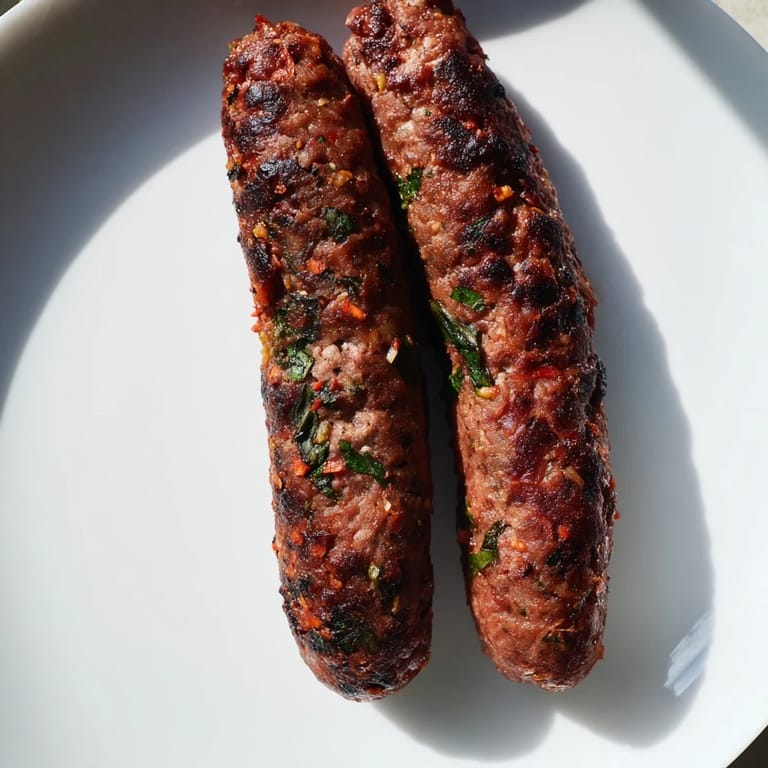
- Place your sausages on the grill and let them be for 2-3 minutes before turning, watching for a deep golden-brown color that means the spices are caramelizing beautifully. Keep turning them every couple of minutes for about 8-10 minutes total until they're firm to the touch and cooked through.
- Rest and serve:
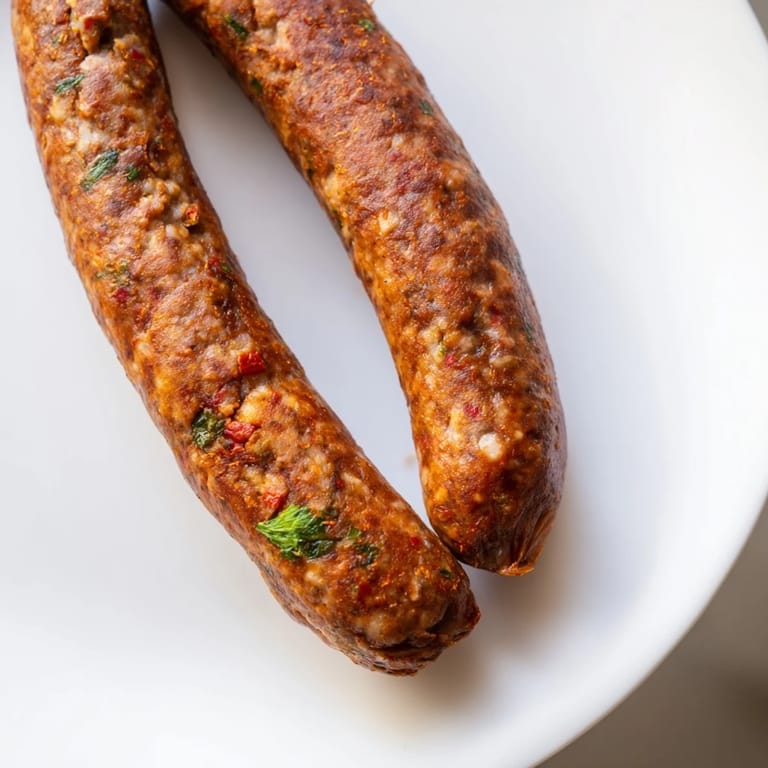
- Pull them off the heat and let them sit for a minute so the juices settle, then serve while they're still steaming and the casings are snapping between your teeth.
 Save to Pinterest
 There's a moment right when you bite into a perfectly grilled merguez that all the effort crystallizes—the snap of the casing, the burst of warm spiced meat, the way the fennel and caraway dance around your palate with the harissa's heat. It's not complicated food, but it's the kind that reminds you why you love cooking in the first place.
Serving Ideas That Actually Work
The beauty of merguez is that it's equally happy in a fancy mezze spread or tucked into quick weeknight sandwiches. I've served them draped over couscous salads, nestled in warm flatbread with a squeeze of lemon, and even crumbled into a fresh tomato sauce for an unconventional pasta. They're particularly stunning on a platter with other North African meze—hummus, roasted vegetables, some bold olives—where they become the star without trying too hard. The key is serving them hot, because once they cool down they lose some of that textural magic.
The Spice Blend Explained
What makes merguez sing is the conversation between its spices rather than any single flavor dominating the plate. Cumin grounds everything in earthiness, coriander brings a subtle citrus note, caraway adds an almost whisper-soft anise quality, and fennel echoes that with something warmer and more floral. Smoked paprika ties it all together with a subtle depth that makes people ask what that mysterious undertone is. The harissa and cayenne are your heat sources, but they're not there to burn—they're there to make every other flavor more vivid and present.
Making It Your Own
Once you've made this recipe a couple of times, you'll start understanding where your personal preferences live. Some people find the fennel too pronounced and scale it back; others go heavy on the cilantro because they love that brightness. I've watched people add a tiny pinch of ground cloves for complexity, or a splash of pomegranate molasses for tang. The beauty of homemade sausages is that you're not locked into someone else's formula.
- If you love heat, don't just increase the cayenne—add a bit more harissa too so the warmth feels integrated rather than spiky.
- Fresh herbs can be adjusted freely; cilantro and parsley are traditional but you could experiment with mint if you're drawn to it.
- Make a test batch to dial in your preferences before you commit to stuffing a full batch of casings.
 Save to Pinterest
 Making merguez at home transforms them from something you occasionally seek out into something you can have whenever the craving strikes. Once you taste the difference between homemade and store-bought, there's no going back.
Recipe FAQs
- → What meats are used for authentic merguez?
Ground beef and lamb are traditionally combined to balance flavor and texture in merguez.
- → How is the spice blend prepared for merguez?
Garlic, harissa, cumin, coriander, smoked paprika, fennel, caraway, cayenne, salt, and pepper are mixed thoroughly for a bold and aromatic seasoning.
- → Can merguez be made without sausage casings?
Yes, you can shape the mixture into patties or skinless sausages (kefta style) and refrigerate before cooking.
- → What cooking method brings out the best flavor?
Grilling the sausages over medium-high heat develops a smoky char and juicy interior that highlights the spices.
- → What dishes pair well with merguez?
Serve with flatbread, couscous, fresh salads, and optionally pair with bold red wine or minty yogurt sauces.