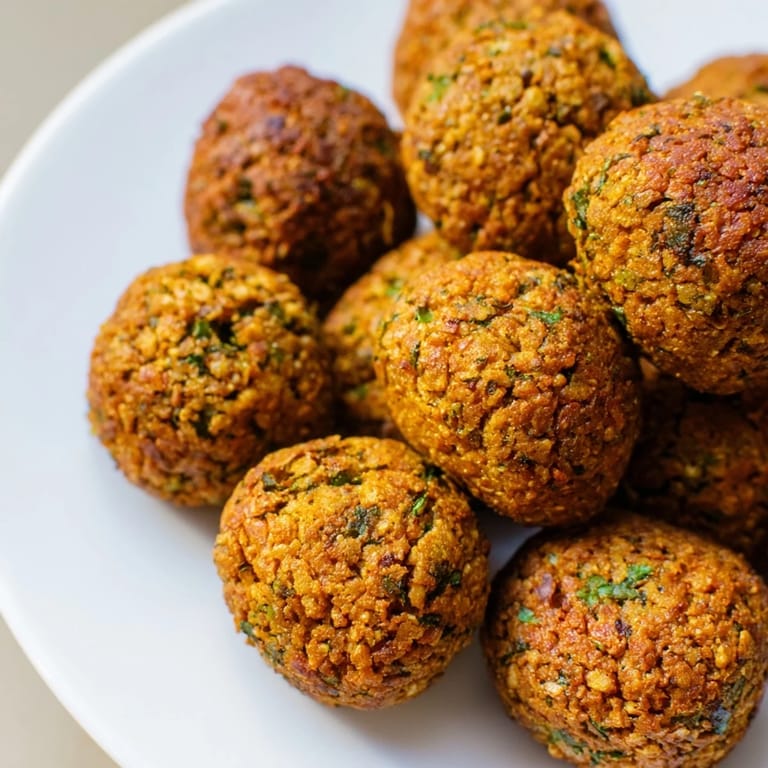
 Save to Pinterest
 My first real batch of falafel came together almost by accident on a Wednesday evening when a friend texted asking if I could bring something Middle Eastern to dinner. I had dried chickpeas sitting in my pantry for weeks, and rather than panic, I decided to trust the process. Soaking them overnight felt like a small ritual, and by the next morning, when I pulsed them with fresh herbs and spices, the kitchen smelled like someone else's grandmother was cooking—the kind of scent that makes you understand why certain dishes become heirloom recipes. These crispy, golden balls turned out so good that I've been making them ever since, always with that same sense of quiet confidence.
I made a double batch for a potluck last spring and watched people come back for thirds, piling them into warm pita with tahini sauce and pickles. One person asked if I'd trained as a chef, which made me laugh—I'd just followed my instinct and let the chickpeas do their job. That moment taught me that sometimes the simplest foods, made with intention, are the ones people actually remember eating.
Ingredients
- Dried chickpeas (1 cup): Don't use canned—they'll turn mushy and dense. Dried chickpeas have structure and give you that perfect falafel texture every time.
- Yellow onion (1 small, roughly chopped): This adds sweetness and moisture; I've learned to avoid red onion here because it overpowers the delicate spice balance.
- Garlic (3 cloves): Fresh and raw, these cloves create that sharp, clean bite you can't achieve any other way.
- Fresh parsley (1 cup, packed): This is where the real flavor lives—use the flat-leaf kind and don't skimp on the amount.
- Fresh cilantro (1/2 cup, packed): If cilantro isn't your thing, add more parsley instead, but cilantro brings a brightness that's hard to replicate.
- Ground cumin (2 tsp): Warm and earthy, cumin is the backbone of any good falafel mixture.
- Ground coriander (1 tsp): This adds a subtle citrus note that keeps things interesting without shouting.
- Cayenne pepper (1/2 tsp, optional): I use it for a gentle warmth at the back of your throat, not for heat.
- Baking powder (1 tsp): This keeps your falafel light and airy instead of dense; it's the secret ingredient people often overlook.
- Salt (1 tsp) and black pepper (1/2 tsp): Season generously here—underseasons falafel turn bland no matter what else you've done.
- All-purpose flour (3 tbsp): A small amount acts as a binder; use chickpea flour if you want to keep everything gluten-free and add a deeper flavor.
- Vegetable oil (for deep frying): Use something neutral—avocado or vegetable oil works best; olive oil smokes too quickly.
Tired of Takeout? 🥡
Get 10 meals you can make faster than delivery arrives. Seriously.
One email. No spam. Unsubscribe anytime.
Instructions
- Soak your chickpeas overnight:
- Rinse dried chickpeas, place them in a large bowl, and cover generously with cold water. Leave them undisturbed for 8 to 12 hours—I usually set them up in the evening and forget about them until morning. You'll notice they've doubled in size and feel tender when you squeeze them gently.
- Build the base mixture:
- In a food processor, combine the soaked chickpeas (drained and patted dry), onion, garlic, parsley, and cilantro. Pulse until everything is broken down but still coarse—you want texture here, not a smooth paste. This usually takes 10 to 15 pulses; stop and scrape down the bowl halfway through.
- Add your spices and binding:
- Sprinkle in the cumin, coriander, cayenne, baking powder, salt, pepper, and flour. Give everything a few quick pulses to distribute the spices evenly without overdoing it. The mixture should hold together when you press it with your fingers but still feel slightly grainy.
- Shape your falafel balls:
- Dampen your hands with water—this prevents sticking without adding excess moisture. Scoop out a small handful of mixture and roll it between your palms into a ball about the size of a walnut or slightly larger. Place each one on a tray and work gently; rough handling can cause them to fall apart when they hit the oil.
- Heat your oil to the right temperature:
- Pour 2 inches of oil into a deep pot and bring it to 350°F (175°C). If you don't have a thermometer, drop a tiny piece of bread into the oil—if it sizzles and browns in about 30 seconds, you're ready.
- Fry until golden and crisp:
- Working in batches so you don't crowd the pot, carefully lower falafel into the hot oil and let them fry for 3 to 4 minutes, turning them occasionally with a slotted spoon until they're deep golden brown all over. They should sound crispy when you tap them gently.
- Drain and serve warm:
- Transfer finished falafel to paper towels to absorb excess oil. Serve them while they're still warm in pita bread with tahini sauce, cucumber, tomato, and pickled turnips, or scatter them across a mezze platter alongside hummus and fresh bread.
 Save to Pinterest
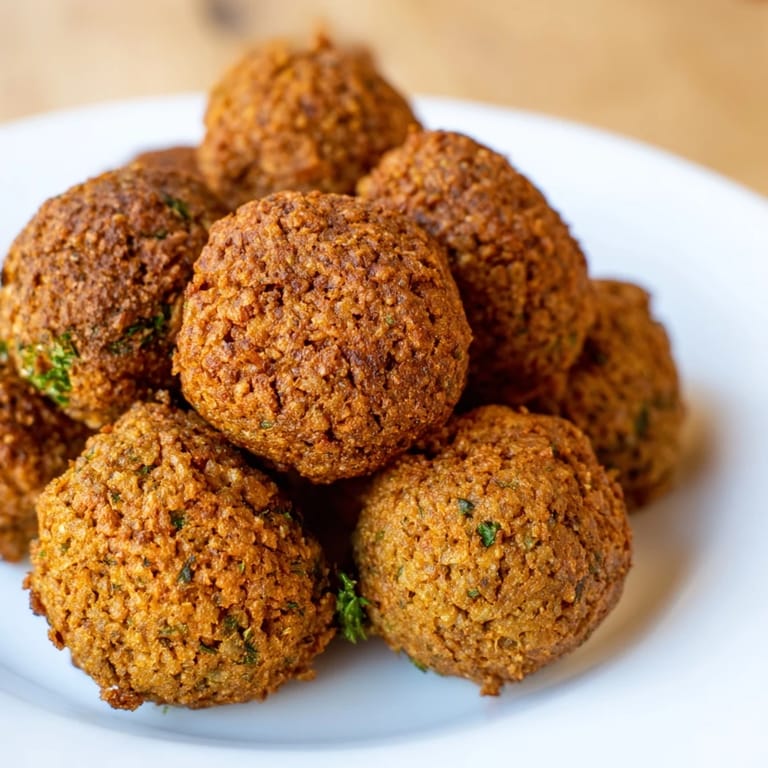
 The best part about falafel isn't just eating them; it's the moment right when they come out of the oil and hit the paper towels, steam rising while everyone hovers nearby. That's when you know you've done something right—that small, ordinary kitchen moment that somehow feels like an accomplishment.
Why Fresh Herbs Make Everything Better
The first time I made falafel with dried herbs instead of fresh, I thought I'd save time and money. The result was flat, dusty, and forgettable—nothing like what I'd made before. Fresh herbs bring life to falafel in a way that nothing else can; they provide brightness, moisture, and that herbaceous note that makes people ask what the secret ingredient is. After that mistake, I made a commitment to never compromise on this one thing, and it's completely changed how my falafel tastes.
The Oil Temperature Question
Getting the oil temperature right is the difference between crispy exteriors and greasy disappointment, but it doesn't require fancy equipment—just a little attention and intuition. Too cool and your falafel will absorb oil and feel heavy; too hot and they'll brown on the outside before cooking through. I've found that 350°F hits the sweet spot every single time, and if you don't have a thermometer, the bread test works beautifully—it's the method my neighbor taught me, and I've never looked back.
Serving Ideas and Flavor Combinations
Falafel works in so many contexts that you'll find yourself making them for everything from casual weeknight dinners to impressed dinner guests. Serve them in pita with tahini sauce and fresh vegetables, crumbled over salads, or as part of a mezze platter alongside hummus, baba ganoush, and warm bread. A few years ago, I even made them for a picnic and served them with a cool yogurt-herb sauce, and it became the dish everyone talked about for weeks. The beauty is that they're equally good hot or at room temperature, which makes them perfect for planning ahead.
- Tahini-lemon sauce cuts through the richness and brings brightness to every bite.
- Pickled vegetables—turnips, onions, or limes—add a sharp contrast that makes the flavors pop.
- A squeeze of fresh lemon juice just before eating brings everything into focus.
 Save to Pinterest
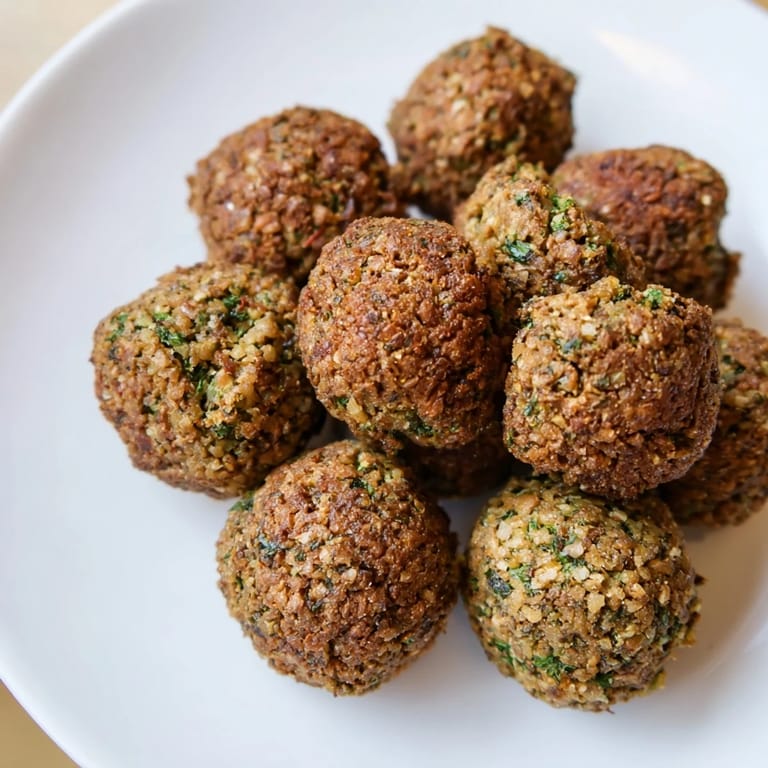
 Falafel is one of those dishes that gets better every time you make it because you learn something new with each batch. Trust the recipe, trust your instincts, and enjoy the simple pleasure of biting into something warm and golden that you made with your own hands.
Recipe FAQs
- → What is the best way to soak chickpeas?
Soak dried chickpeas in plenty of cold water overnight (8–12 hours) to soften them evenly for mixing.
- → How to achieve a crispy texture on falafel balls?
Fry falafel balls in hot vegetable oil (around 350°F/175°C) until deep golden and crisp, usually 3–4 minutes per batch.
- → Can these be baked instead of fried?
Yes, brush the balls with oil and bake at 400°F (200°C) for 20–25 minutes, turning halfway for even cooking.
- → Which herbs enhance the flavor of falafel best?
Fresh parsley and cilantro add bright, fresh notes that complement the warm spices in falafel.
- → What spices add warmth and subtle heat to falafel?
Ground cumin, coriander, and optional cayenne pepper provide aromatic warmth and a gentle kick.
- → How to prevent falafel balls from falling apart when frying?
Add a bit of flour to the mixture to bind ingredients and form firm balls that hold shape during cooking.