 Save to Pinterest
 My neighbor Maria handed me a wedge of this at a summer block party, and I had no idea what I was biting into. It looked like dessert, tasted like the Mediterranean, and completely changed how I thought about cheesecake. She laughed at my confusion and said her yiayia used to make it for name days, serving it with ouzo and good conversation. I went home that night determined to figure it out.
I brought this to a potluck once, nervously watching as people hovered near the dessert table and then did a double take after the first taste. A few thought I was pranking them. But by the end of the night, the pan was scraped clean, and three people asked for the recipe. One friend still texts me every few months asking if Im making the olive cheesecake again.
Ingredients
- Plain breadcrumbs: These form the savory crust, and I learned to press them really firmly or they crumble when you slice, toasting them briefly makes all the difference in texture.
- Unsalted butter: Melted butter binds the crust together, and using unsalted lets you control the saltiness since the olives and cheeses bring plenty.
- Dried oregano: A small amount in the crust adds that unmistakable Greek warmth without overpowering the delicate filling.
- Cream cheese: Softened completely is key, I once used cold cream cheese and ended up with lumps I couldnt beat out.
- Ricotta cheese: This lightens the filling and adds a subtle sweetness that balances the brininess of the olives.
- Grated Parmesan cheese: It brings a nutty, salty depth that makes the whole thing taste more sophisticated.
- Large eggs: They set the filling into that signature creamy cheesecake texture, add them one at a time so they incorporate smoothly.
- Dried thyme: I love how thyme plays with lemon, it adds an earthy note that feels very Mediterranean.
- Lemon zest: Freshly grated zest brightens everything, dont skip it or the filling tastes flat.
- Whole milk: Just a splash makes the filling pourable and silky, low fat milk works but whole milk tastes richer.
- Pitted Kalamata olives: Chop them small so every bite gets a little burst of briny flavor, and make sure theyre well drained or the filling gets watery.
- Fresh chives: They add a mild onion flavor and beautiful green flecks, I once used dried and regretted it.
- Salt and black pepper: Taste the filling before baking because the olives and cheeses vary in saltiness.
- Extra virgin olive oil: A drizzle at the end makes it glisten and adds a fruity finish that ties everything together.
Tired of Takeout? 🥡
Get 10 meals you can make faster than delivery arrives. Seriously.
One email. No spam. Unsubscribe anytime.
Instructions
- Prep the pan:
- Preheat your oven to 325 degrees F and lightly grease a 9 inch springform pan, I also line the bottom with parchment because it makes releasing the cheesecake so much easier. If you skip this step, you might end up prying it out in pieces.
- Make the crust:
- Mix breadcrumbs, melted butter, oregano, and pepper in a small bowl until it looks like wet sand, then press it firmly and evenly into the bottom of the pan. Use the bottom of a measuring cup to really pack it down.
- Bake the crust:
- Slide it into the oven for 8 minutes, just enough to set it and bring out a toasty flavor. Let it cool slightly while you make the filling so it doesnt scramble the eggs.
- Beat the cheeses:
- In a large bowl, beat the cream cheese, ricotta, and Parmesan until completely smooth and creamy. Scrape down the sides a few times because pockets of unblended cheese will show up in the finished cheesecake.
- Add the eggs:
- Crack in the eggs one at a time, beating well after each addition so the filling stays silky. Rushing this step makes the texture grainy.
- Fold in the flavors:
- Stir in thyme, lemon zest, milk, chopped olives, chives, salt, and pepper until everything is evenly distributed. The filling should smell bright and savory.
- Assemble and bake:
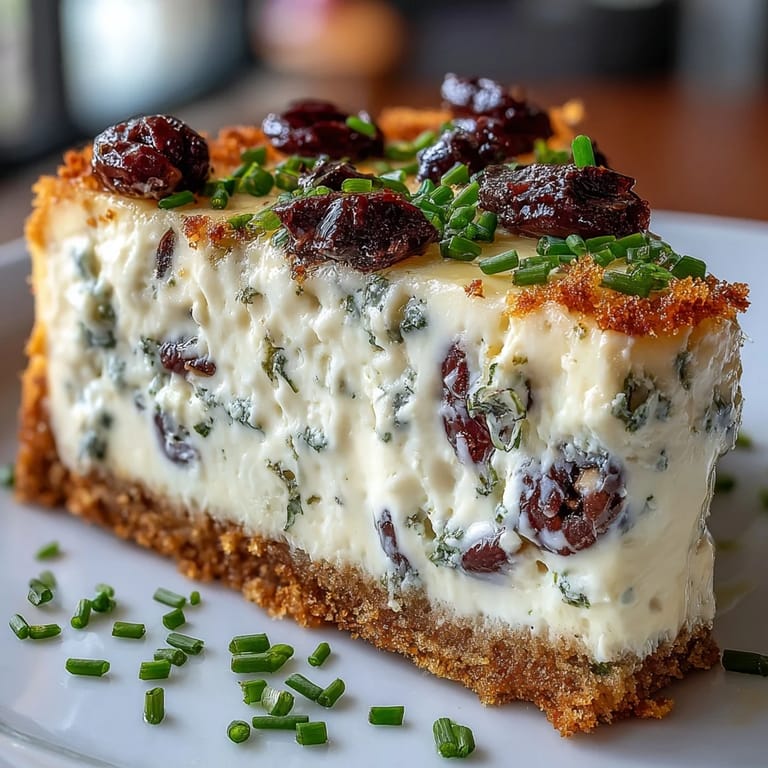
- Pour the filling over the cooled crust and smooth the top with a spatula, then bake for 25 to 28 minutes until the center is set but still has a slight jiggle. Overbaking makes it dry and cracked.
- Cool completely:
- Let the cheesecake cool to room temperature on the counter, then refrigerate for at least 2 hours. I usually make it the night before so it has time to firm up and the flavors meld.
- Garnish and serve:
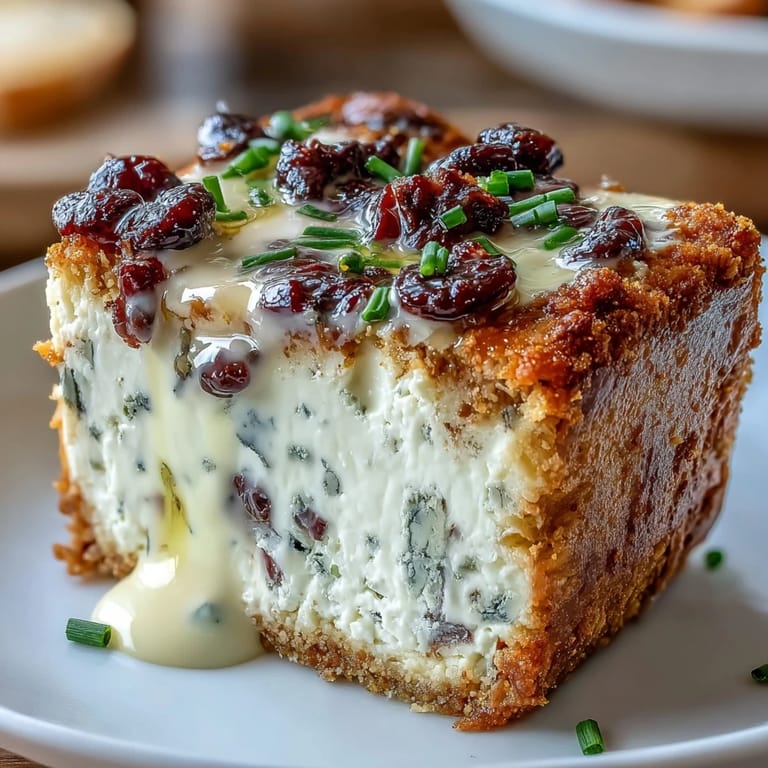
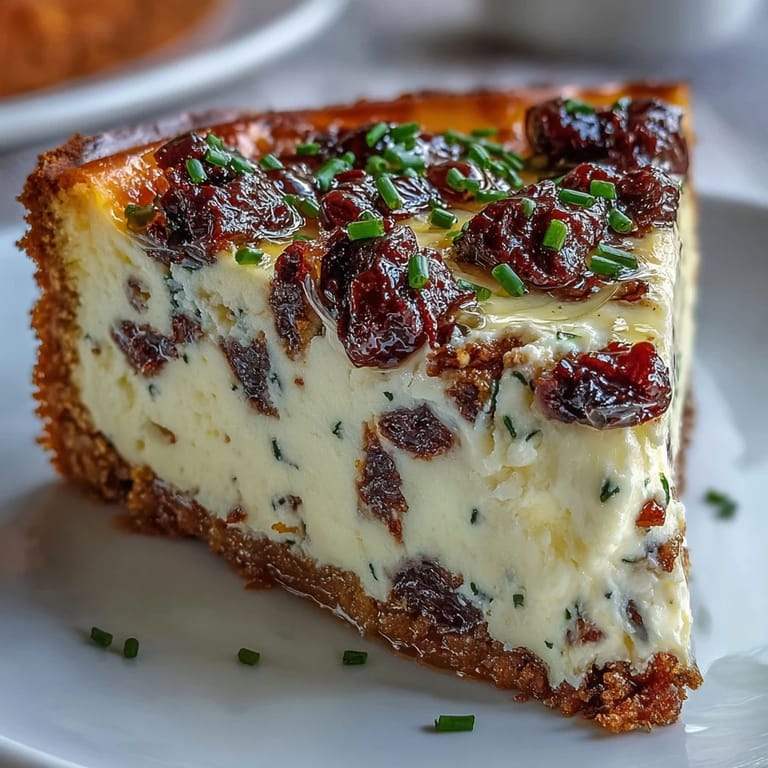
- Right before serving, top with sliced olives, fresh parsley, and a drizzle of olive oil. Slice into small wedges or squares and serve with crackers or crostini.
 Save to Pinterest
 This cheesecake has become my signature bring for any gathering where I want to feel a little bit fancy. I love watching people take that first cautious bite and then immediately go back for more. It reminds me that food doesnt have to follow the rules to be memorable, sometimes the best dishes are the ones that make you rethink what belongs on your plate.
Storing and Make Ahead Tips
This keeps beautifully in the fridge for up to four days, covered tightly with plastic wrap. I actually think it tastes better on day two when the flavors have had time to marry. You can bake it up to two days ahead, just wait to add the garnish until right before serving so the parsley stays bright and the olive oil looks fresh.
Serving Suggestions
I like to serve this with a mix of crisp crackers, toasted baguette slices, and fresh cucumber rounds for people who want something lighter. A little bowl of cherry tomatoes on the side and some marinated artichoke hearts turn it into a full Mediterranean spread. It also pairs beautifully with a chilled white wine or a sparkling water with lemon.
Flavor Variations
Once you get comfortable with the base recipe, its easy to play around. Ive folded in sun dried tomatoes and roasted red peppers for a sweeter, smokier version. You could swap the Kalamata olives for green olives or even add crumbled feta on top for extra tang.
- Try adding a tablespoon of capers for an extra briny punch.
- Mix in some finely chopped roasted garlic if you want a deeper, mellower flavor.
- Sprinkle za atar or sumac on top before serving for a Middle Eastern twist.
 Save to Pinterest
 This recipe taught me that cheesecake doesnt have to be sweet to be showstopping. I hope it becomes one of those dishes you make again and again, tweaking it to your taste and sharing it with people who appreciate food that breaks the mold.
Recipe FAQs
- → Can I make this savory cheesecake ahead of time?
Yes, this appetizer can be prepared up to 2 days in advance. Store it covered in the refrigerator and add the garnish just before serving for the freshest presentation.
- → What can I serve with this Kalamata olive cheesecake?
Serve with crisp crackers, toasted crostini, or fresh vegetable slices. Pita chips and cucumber rounds also pair beautifully with the Mediterranean flavors.
- → Can I use a different type of olive?
While Kalamata olives provide the signature tangy flavor, you can substitute with other brined olives like Castelvetrano or Niçoise. Adjust salt levels as different olives vary in saltiness.
- → How do I know when the cheesecake is properly baked?
The center should be set but slightly wobbly when gently shaken. It will continue to firm up as it cools. Overbaking can cause cracks and a dry texture.
- → Can I freeze this savory cheesecake?
Yes, wrap tightly in plastic wrap and aluminum foil, then freeze for up to 1 month. Thaw overnight in the refrigerator before serving and add fresh garnishes.
- → What herbs work well as substitutes?
Fresh or dried basil, rosemary, or dill complement the Mediterranean flavors nicely. Adjust quantities to taste, as some herbs are more potent than others.