 Save to Pinterest
 I discovered kelp noodles quite by accident while hunting for something lighter than my usual pasta habits. A friend casually mentioned them during a conversation about cutting calories without sacrificing satisfaction, and I became oddly curious about these translucent, wispy strands that seemed almost too delicate to exist. The first time I cooked with them, I was struck by how they transformed an ordinary stir-fry into something unexpectedly elegant and crisp. Now they're my secret weapon for nights when I want something fast, nourishing, and genuinely exciting without any of the heaviness.
I made this for my sister last spring when she was visiting and trying to eat better, and watching her face light up at how flavorful it was despite being so simple reminded me that healthy food doesn't have to taste like compromise. She asked for the recipe three times before she left, and now she texts me photos of her versions with different vegetable swaps. That moment shifted how I think about cooking for others—it's less about impressing and more about sharing something that actually makes people feel good.
Ingredients
- Kelp noodles: These mineral-rich noodles are nearly translucent and absorb flavors beautifully while maintaining a satisfying crunch that pasta can never achieve.
- Red bell pepper: Beyond the vibrant color, it brings natural sweetness that plays perfectly against the sharp ginger in the sauce.
- Snap peas: They stay wonderfully crisp even with a quick sauté, adding both sweetness and a satisfying snap between your teeth.
- Carrot: Julienned thin, it cooks quickly and adds subtle earthiness that balances the sauce's brightness.
- Baby spinach: It wilts in seconds and contributes iron and depth without overwhelming the other flavors.
- Green onions: These finish the dish with fresh onion bite and a hint of grassiness that makes everything taste alive.
- Tamari or low-sodium soy sauce: The umami backbone that ties everything together; tamari keeps it gluten-free if that matters to you.
- Toasted sesame oil: A little goes a long way here, adding nutty richness that transforms simple ingredients into something special.
- Rice vinegar: This subtle acidity brightens the sauce and prevents it from tasting one-dimensional or heavy.
- Fresh ginger: Finely grated, not minced, it releases oils that permeate every strand of noodle with warm, spicy complexity.
- Maple syrup or agave: Just enough sweetness to round out the sauce and make the spice feel balanced rather than aggressive.
- Garlic: Minced small, it distributes evenly through the sauce and adds savory depth.
- Chili flakes: Optional but recommended if you like heat; they sit on top of the vegetables and provide little bursts of warmth.
- Toasted sesame seeds: They add texture and a toasty flavor note that feels almost luxurious despite being so simple.
Tired of Takeout? 🥡
Get 10 meals you can make faster than delivery arrives. Seriously.
One email. No spam. Unsubscribe anytime.
Instructions
- Soften the kelp noodles:
- Pour warm water over the rinsed noodles in a large bowl and let them sit for about ten minutes until they're pliable but still have some firmness to them. You'll feel them transform from brittle to tender as the water does its work.
- Build your sauce:
- In a small bowl, whisk together the tamari, sesame oil, rice vinegar, ginger, maple syrup, garlic, and chili flakes until everything is combined and the ginger is evenly distributed. The mixture should smell intoxicating at this point.
- Sauté the harder vegetables first:
- Heat your skillet or wok over medium-high heat until it's genuinely hot, then add the bell pepper, snap peas, and carrot all at once. Toss them around for three to four minutes until they've softened just slightly but still have bite and snap.
- Wilt in the spinach:
- Add the baby spinach and green onions to the pan and stir everything together for about one minute until the spinach surrenders and turns dark green. You'll see it happen almost instantly, which is your signal to move on.
- Bring the noodles and sauce together:
- Drain the softened kelp noodles completely and add them to the pan along with the sauce you prepared earlier. Toss everything together using tongs or a spatula for two to three minutes until every noodle and vegetable is glistening with sauce and everything feels hot and cohesive.
- Finish with flair:
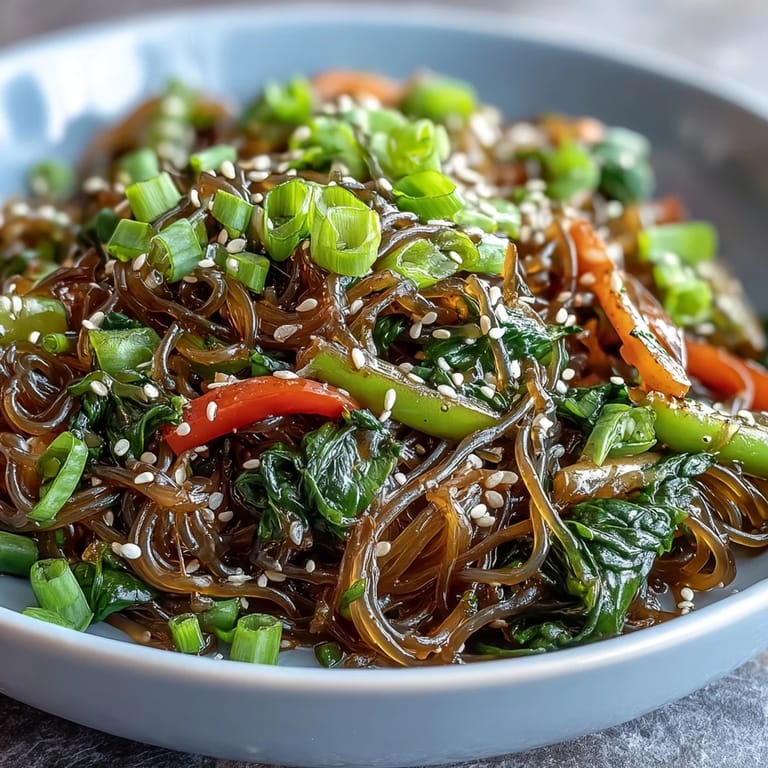
- Transfer everything to a serving dish or bowls and top with toasted sesame seeds, fresh cilantro if you have it, and lime wedges on the side so people can squeeze brightness over their portion just before eating.
 Save to Pinterest
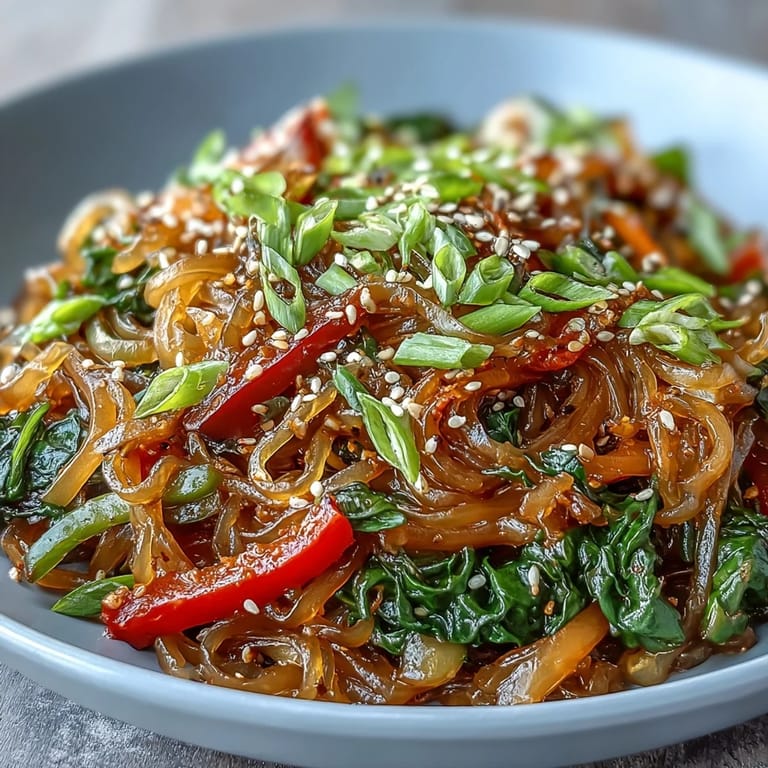
 There's something almost meditative about watching kelp noodles absorb a well-made sauce, the way they glisten and take on color. What started as a curiosity became a ritual, and now this dish reminds me that sometimes the simplest meals are the ones that linger in memory longest.
Why Kelp Noodles Changed My Cooking
Discovering kelp noodles opened up a whole category of cooking I didn't know I was missing. They're forgiving in ways pasta isn't, staying firm even when you're not watching the clock obsessively, and they absorb flavor like a sponge without becoming mushy. Once you stop thinking of them as a substitute for something else and start enjoying them as their own thing, cooking becomes easier and more fun.
Sauce Technique That Actually Matters
The key to this dish isn't fancy technique or expensive ingredients; it's taking thirty seconds to really whisk the sauce together so the ginger and garlic are evenly distributed and the flavors start to merge. I learned this the hard way by rushing through mixing and wondering why my sauce tasted oddly separated and muddled. Now I treat it like a small meditation before cooking, and it changes everything about the final result.
Flexibility Without Losing Your Way
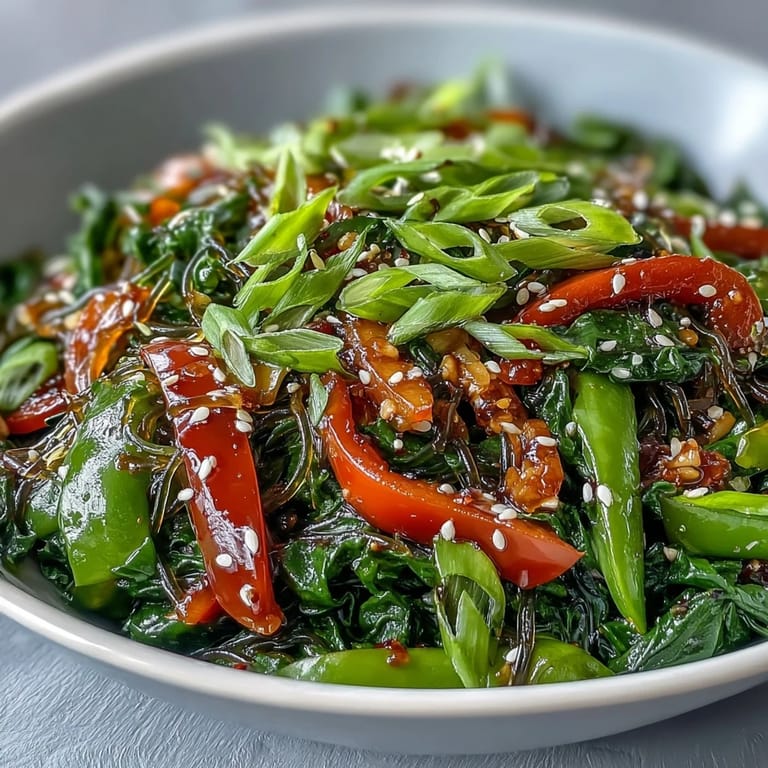
This stir-fry is endlessly adaptable without ever losing its soul, which is why I've made it probably two dozen times with different combinations of what's in my refrigerator. The sauce and noodles are the constant, and everything else is fair game. This flexibility transformed it from a recipe into a template, something I turn to whenever I need to cook something nourishing and don't want to think too hard about it.
- Broccoli, zucchini, or mushrooms work beautifully if you're missing the original vegetables or want to use what you have on hand.
- Tofu cubes, edamame, or cashews add protein and richness if you want something more substantial.
- A spoonful of almond or peanut butter stirred into the sauce creates an entirely different flavor profile that feels almost indulgent.
 Save to Pinterest
 This meal has become my answer to the question of how to eat well without drama or exhaustion. It's the kind of dish that makes you feel like you're taking care of yourself while actually enjoying what's on your plate.
Recipe FAQs
- → Do kelp noodles need to be cooked?
Kelp noodles don't require traditional cooking. Soaking them in warm water for 10 minutes softens them enough for stir-frying while maintaining their pleasant crunch.
- → Can I make this dish ahead of time?
Best served fresh, but you can prep vegetables and sauce in advance. Store separately and combine when ready to serve for optimal texture.
- → What vegetables work best in this stir-fry?
Bell peppers, snap peas, carrots, and spinach provide great color and crunch. You can also add broccoli, zucchini, mushrooms, or cabbage based on preference.
- → How do I add more protein?
Cubed tofu, edamame, or cooked chickpeas work well. Add them during the last few minutes of cooking so they heat through without becoming mushy.
- → Is this dish spicy?
The chili flakes are optional and provide mild heat. Omit them entirely or adjust the amount to suit your taste preference.
- → Can I use regular noodles instead of kelp noodles?
Yes, rice noodles, soba, or even spaghetti work as substitutes. Adjust cooking time according to package instructions.