 Save to Pinterest
 The first time I tasted zarb, I wasn't expecting the smoke. A Jordanian friend had mentioned it casually over coffee, describing how his family would dig a pit in the backyard and bury their dinner underground for hours. I nodded politely, imagining something charred and questionable. But then came the unveiling, that moment when the foil was peeled back and steam rose carrying spices I'd never quite smelled together before, and I understood why this dish has survived centuries of Bedouin tradition. Now, whenever I make it, I chase that same sense of ceremony and surprise.
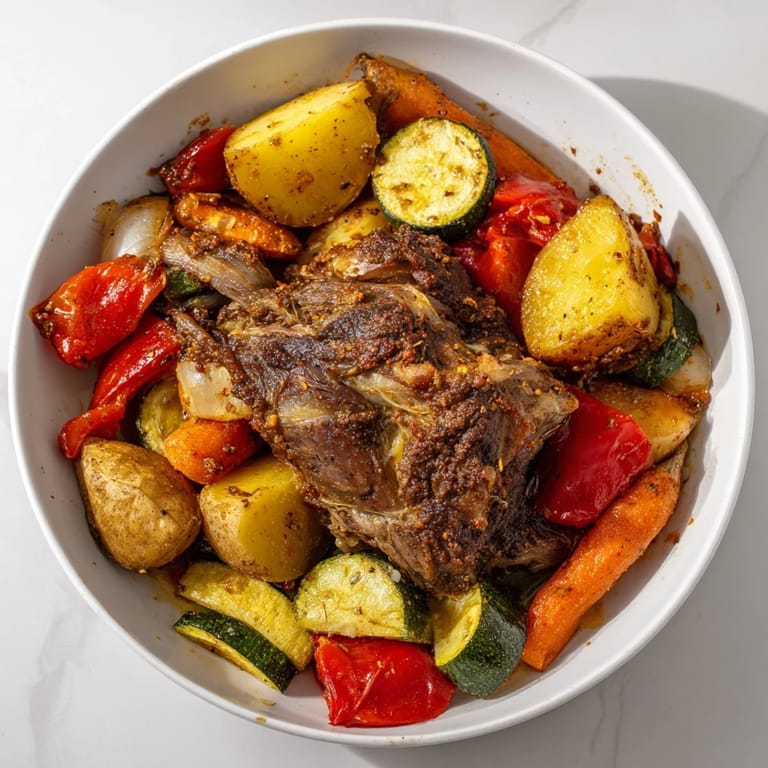
I made this for six people on a chilly autumn evening, and someone actually gasped when we opened the foil. The sound alone—the hiss of steam, the sizzle of juices hitting the hot tray—was enough to make everyone lean in closer. The potatoes had absorbed every drop of marinade, the carrots were honeyed and soft, and the meat fell apart without resistance. That's when I realized zarb isn't just about feeding people; it's about creating a moment they'll remember.
Ingredients
- Lamb shoulder or chicken, bone-in chunks: Bone-in pieces stay juicier than boneless cuts, and the bones themselves flavor the whole dish as everything steams together.
- Olive oil: Use a good one; it carries the marinade into every crevice of the meat.
- Cumin, coriander, cinnamon, smoked paprika: These four spices are the backbone of the flavor profile, and together they create something warm and slightly smoky that tastes like the desert itself.
- Garlic and lemon: The acid brightens everything and prevents the dish from feeling heavy.
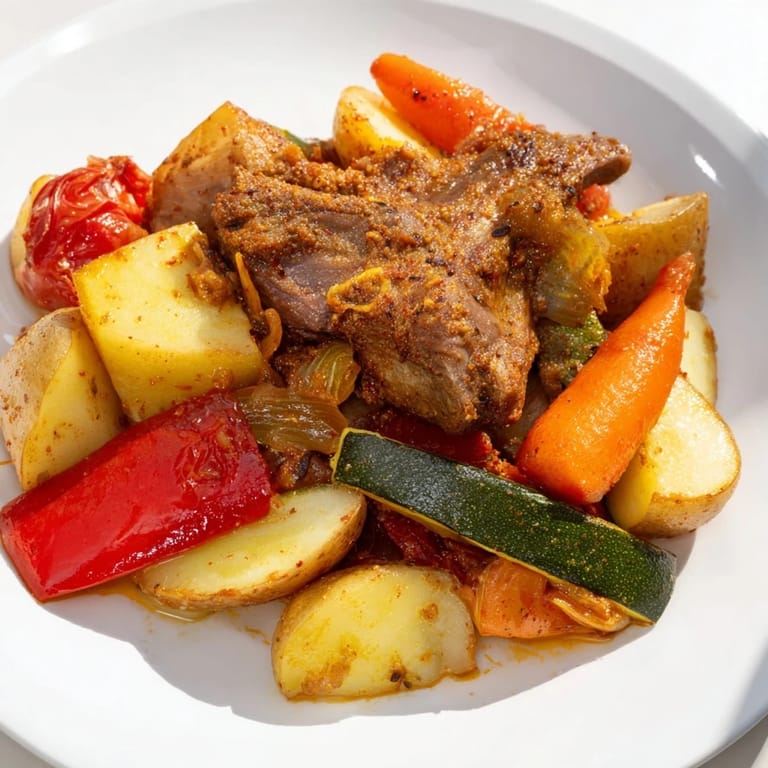
- Potatoes, carrots, onions, zucchini, bell peppers, tomatoes: Choose vegetables that won't turn to mush after 2.5 hours, and cut them large so they hold their shape.
Tired of Takeout? 🥡
Get 10 meals you can make faster than delivery arrives. Seriously.
One email. No spam. Unsubscribe anytime.
Instructions
- Build Your Marinade Base:
- Mix olive oil with all the spices, garlic, and lemon juice in a bowl. This paste should smell rich and complex, coating your fingers with fragrant oil. Massage it into every piece of meat as if you're giving the lamb a deep tissue treatment, then cover and let it sit in the fridge for at least an hour, though overnight is when the magic really happens.
- Prep Your Vegetables:
- While the meat rests, cut everything into large, sturdy pieces. Toss them in a separate bowl with olive oil, salt, and pepper so each piece is lightly dressed. This is where you can swap out vegetables based on what's in your kitchen; the key is keeping them chunky so they don't disintegrate.
- Arrange and Seal:
- Lay your marinated meat on a roasting tray or wire rack, then surround it with the vegetables, tucking some underneath to catch the drippings. Pull out a large sheet of foil and seal the entire tray tightly, or go full traditional with banana leaves first, then foil on top to trap every bit of steam.
- The Long, Patient Cook:
- Slide everything into a 180°C oven for 2.5 hours, or bury it in an underground pit if you're feeling adventurous. The low, slow heat transforms tough cuts into tender, falling-apart morsels while the vegetables soak up all the spiced juices.
- Rice, If You're Hungry for More:
- While the main event cooks, combine rinsed rice with broth, butter, and salt in a saucepan. Bring it to a boil, cover, reduce heat, and let it simmer undisturbed for 15 to 20 minutes until fluffy and light.
- The Unveiling:
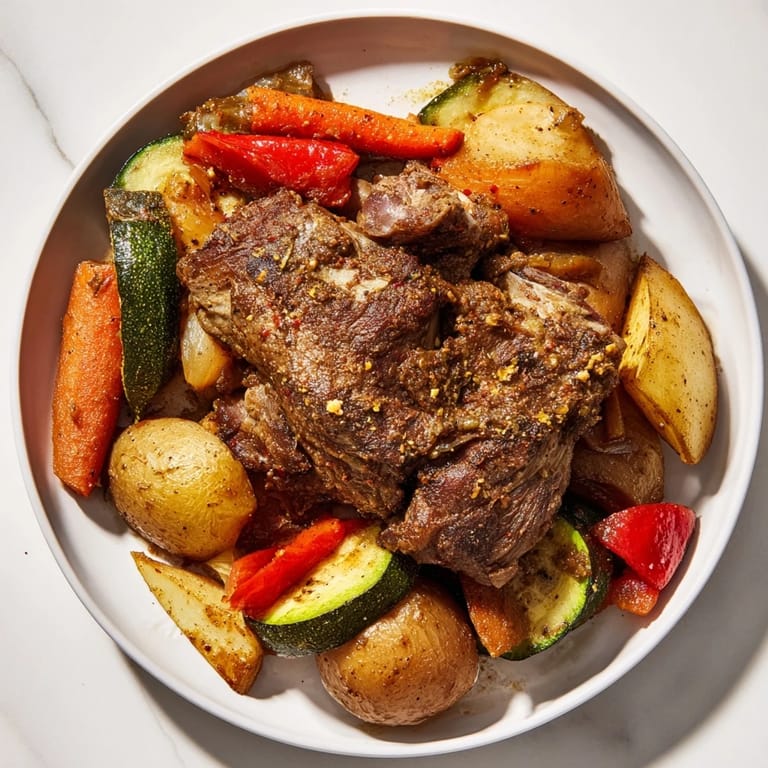
- When the foil comes off, the aroma will fill your entire kitchen. Transfer everything to a large platter, spoon those precious juices over the top, and serve over rice if you want to stretch the meal further.
 Save to Pinterest
 There was a moment during my last zarb dinner when everyone went quiet mid-bite, and I knew I'd nailed it. That's the dish at its best, it stops conversation and makes people actually taste their food instead of rushing through. It's the kind of meal that reminds you why cooking for others matters.
The Art of the Bedouin Slow Cook
Zarb exists because the Bedouin had time, heat from the sun, and a need to feed large groups efficiently. By burying a sealed pot in the ground with hot coals and sand, they could walk away and let the earth do the cooking. The underground method isn't just romantic nostalgia; it distributes heat evenly and slowly, something an oven tries to approximate but never quite replicates. If you have the space and inclination, try the pit method at least once.
Variations and Swaps
I've made zarb with eggplant instead of zucchini, and sweet potatoes mixed with regular potatoes for a slightly different sweetness. Some people add chickpeas or dried apricots for texture and subtle sweetness. The core method stays the same, but the beauty of this dish is that it adapts to whatever you have on hand. Don't be afraid to experiment with your vegetable lineup based on season or preference.
Serving and Pairing
Zarb is best served family-style on one large platter so everyone can see the whole finished dish before diving in. A tangy yogurt sauce on the side adds a cooling contrast to the warm spices, and flatbread is essential for scooping up the juices. If you're serving wine, choose something robust like a Syrah; if you prefer tea, mint tea is the traditional choice and feels natural alongside the meal.
- Open the foil carefully as steam will rush out and can burn your hands or face.
- Don't stress if your oven temperature fluctuates slightly; slow and low is the only rule that matters.
- Leftovers actually improve as the flavors settle, so make extra if you can.
 Save to Pinterest
 Zarb taught me that the best meals aren't rushed, they're built on anticipation and patience. Every time you make it, you're honoring something ancient and celebrating the people you're cooking for.
Recipe FAQs
- → What is the best meat for Jordanian Zarb?
Lamb shoulder or bone-in chicken pieces work best due to their tenderness and flavor absorption during slow cooking.
- → How does slow-cooking affect the texture?
Slow-cooking softens the meat fibers and allows spices to deeply infuse, resulting in smoky, tender bites.
- → Can I cook Zarb without an underground oven?
Yes, baking in a tightly covered roasting tray or wrapped in banana leaves in a conventional oven mimics the traditional method well.
- → What vegetables complement the dish?
Root vegetables like potatoes and carrots, along with zucchinis and bell peppers, add texture and sweetness balancing the savory meat.
- → Is it common to serve with rice?
Yes, fluffy rice simmered with broth and butter or oil is a traditional accompaniment enhancing the dish’s flavors.
- → What spices are essential in the marinade?
Cumin, coriander, cinnamon, smoked paprika, black pepper, salt, garlic, and lemon juice provide the signature aromatic blend.