 Save to Pinterest
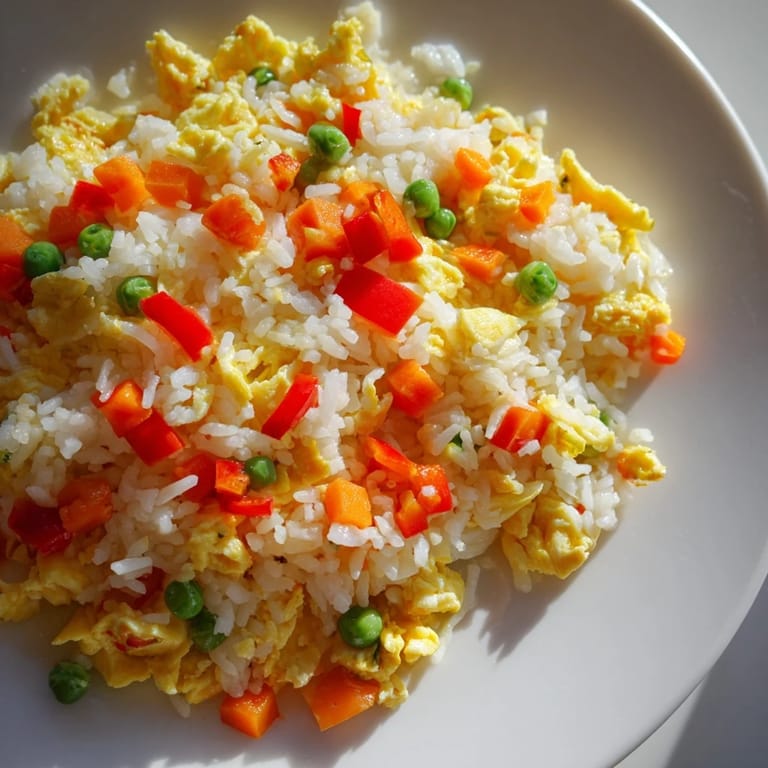
 My best batches of egg fried rice came from those nights when I had leftover rice sitting in the fridge and absolutely nothing in my head about what to cook. There's something almost meditative about the quick sizzle of eggs hitting hot oil, the way the rice grains separate under a wooden spoon, and how everything comes together in under twenty minutes. This dish taught me that simplicity and timing matter more than fancy ingredients or complicated techniques.
I once made this for a friend who showed up unexpectedly on a Thursday evening, and she ate three bowls straight from the wok while we talked. She kept saying it tasted like the best restaurant version she'd had, and I realized it wasn't anything magical—just good technique, proper heat, and eggs that were still slightly warm when they hit the rice. That dinner taught me that home cooking wins not through complexity but through genuine care and attention to small details.
Ingredients
- Cold cooked white rice (4 cups, preferably day-old): Day-old rice is essential because it dries out slightly and won't clump together when stir-fried; fresh hot rice becomes mushy and releases too much starch.
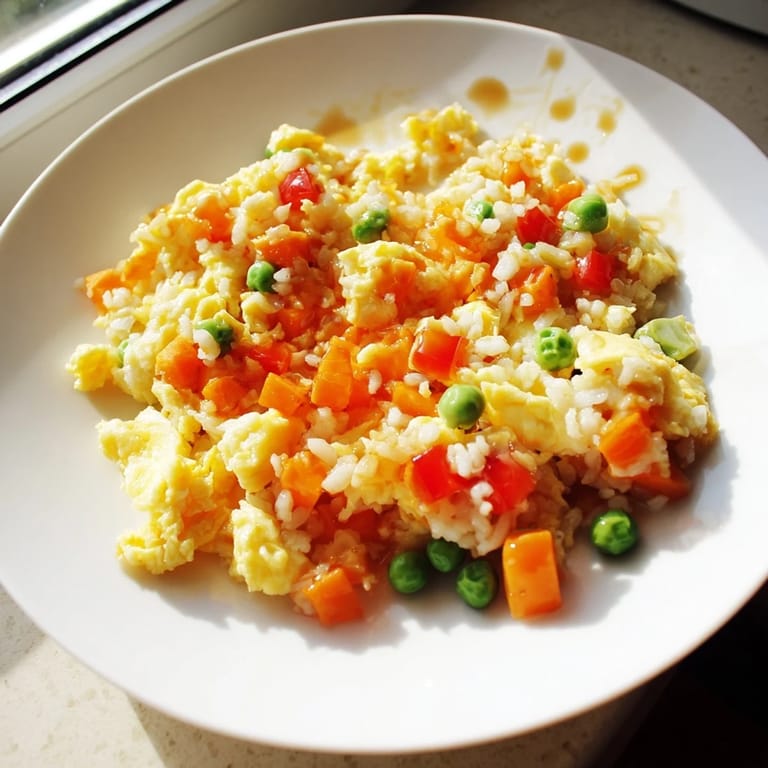
- Large eggs (3): These create the binding element and add protein and richness that ties the whole dish together beautifully.
- Vegetable oil (2 tbsp, divided): Using it in two batches lets you cook the eggs separately first, which keeps them tender instead of overcooked.
- Frozen peas and carrots (1 cup, thawed): Thawing them prevents the fried rice from becoming watery and lets them warm through quickly without overcooking.
- Scallions (½ cup, finely sliced): Reserve the green parts for garnish at the end so they stay bright and fresh rather than turning dark and bitter from the heat.
- Red bell pepper (½, diced): This adds sweetness and color, though you can swap it for whatever vegetable you have on hand.
- Soy sauce (3 tbsp): Low sodium gives you control over the salt level and prevents the rice from tasting overly harsh or one-dimensional.
- Toasted sesame oil (1 tsp): Just a small amount creates that unmistakable depth of flavor that makes people wonder what your secret ingredient is.
- Ground white pepper (½ tsp): It dissolves seamlessly into the rice unlike black pepper, which would create visible specks.
- Garlic (1 clove, minced): Bloom this in hot oil first so it releases its flavor throughout the entire dish rather than tasting sharp and raw.
- Fresh ginger (1 tsp, grated, optional): If you're using it, the warmth awakens something special in the rice that keeps people reaching for more.
Tired of Takeout? 🥡
Get 10 meals you can make faster than delivery arrives. Seriously.
One email. No spam. Unsubscribe anytime.
Instructions
- Beat your eggs with intention:
- Crack them into a small bowl, add a pinch of salt, and whisk them until they're completely uniform in color. This tiny step ensures they cook evenly and incorporate smoothly into everything else.
- Scramble the eggs first:
- Heat 1 tablespoon of oil in your wok over medium-high heat until it shimmers, then pour in the eggs and stir them gently and constantly until they're just barely set, still with a slight shine. Transfer them to a plate immediately so they don't keep cooking from residual heat.
- Build your aromatic base:
- Add the remaining oil to the same wok and immediately add your minced garlic, ginger if using, and the white parts of the scallions. Stir constantly for about 30 seconds until the smell hits you—that's when you know the aromatics have released their essence into the oil.
- Cook the vegetables quickly:
- Toss in the peas, carrots, and bell pepper and keep the heat high, stirring constantly for 2 to 3 minutes so they warm through but stay with a little bite. They should look vibrant, not soft and tired.
- Get the rice hot and slightly crispy:
- Increase the heat to high, add your cold rice, and use your spoon or spatula to break up any clumps you find. Stir constantly for 2 to 3 minutes until you hear that satisfying crackling sound and the rice grains have separated and are heated all the way through.
- Bring everything together:
- Return the scrambled eggs to the wok, breaking them into small pieces as you add them. Pour in the soy sauce, sesame oil, and white pepper, then toss everything continuously until the sauce is evenly distributed and you can smell the sesame oil rising up.
- Finish and serve:
- Remove from heat, scatter those reserved green scallion tops over everything, and serve immediately while it's still steaming. The contrast between the hot rice and the fresh green tops is part of what makes this dish feel complete.
 Save to Pinterest
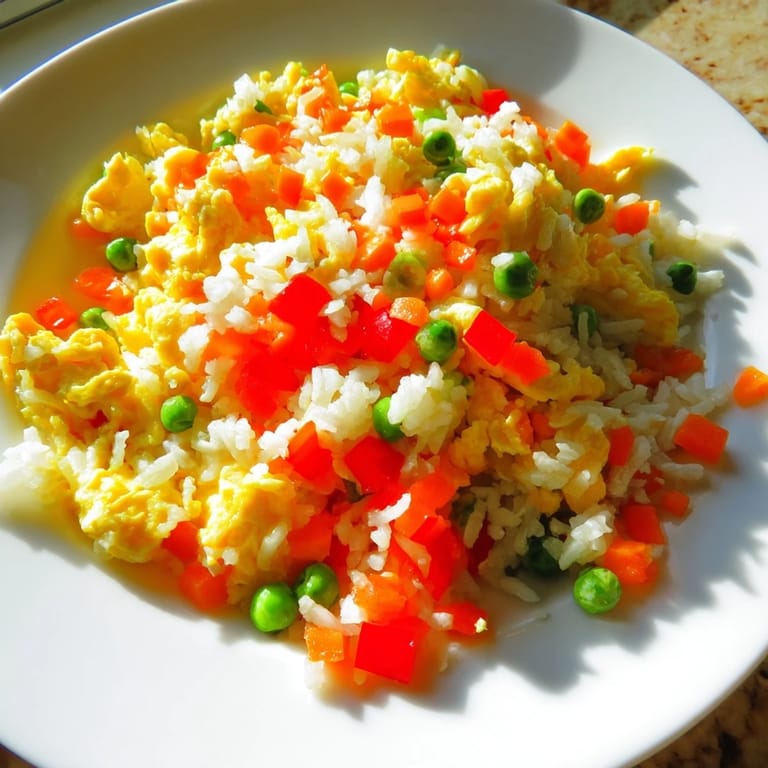
 There was a morning when my daughter helped me make this before school, and she was amazed that something so ordinary looking could taste so restaurant-quality. We laughed about how fast it came together and how everyone at the table would probably think I'd ordered it. That's when I understood that egg fried rice isn't just convenience food—it's a small gift you give yourself and the people you're feeding.
The Secret Behind Perfect Texture
The difference between mediocre and memorable fried rice comes down to temperature and timing. Your wok needs to be genuinely hot—not just warm, but hot enough that you feel the heat radiating when you hold your hand near it. When the rice hits the oil, it should respond immediately with a gentle sizzle and slight crackling. If it just sits there quietly, your heat isn't high enough and you'll end up with rice that's uniformly steamed rather than having those desired crispy bits scattered throughout.
Making It Your Own
This recipe is a foundation, not a prison. I've made it with leftover chicken, added cashews for crunch, thrown in mushrooms when I had them, and even used brown rice when that's what was available. The technique stays the same even when you're improvising with what's in your kitchen. The beauty is that as long as you respect the fundamentals—separate the eggs first, use cold rice, get your wok screaming hot—the dish will work.
Why This Dish Keeps Winning
Egg fried rice is one of those rare recipes that tastes elegant enough to serve to company but casual enough to eat standing at the counter at midnight. It's proof that the best meals don't require hours of prep or a long list of specialty items. What makes it shine is your attention to the small moments—the smell of garlic blooming in oil, the sound of rice grains moving in the wok, the warmth of the dish as it travels from pan to bowl.
- Always start with cold rice that's at least a day old, or spread fresh rice on a plate and refrigerate it for an hour before using it.
- Keep all your ingredients prepped and within reach before you start cooking, because once the wok is hot, everything happens very quickly.
- Taste it before serving and adjust the soy sauce or sesame oil to your preference, since everyone's salt tolerance and flavor preferences vary.
 Save to Pinterest
 This is the kind of meal that reminds you why cooking at home matters. It's quick, it's nourishing, and it tastes like someone cared about making it.
Recipe FAQs
- → Why is day-old rice better for fried rice?
Day-old rice grains have dried slightly, preventing them from clumping together during stir-frying. Fresh, warm rice contains too much moisture and becomes mushy. Refrigerate cooked rice for at least 4 hours or overnight before using.
- → How do I prevent scrambled eggs from becoming rubbery?
Cook eggs over medium-high heat and remove them when just set but still slightly moist. Avoid overcooking by stirring gently and transferring to a plate immediately. You'll finish cooking them when you combine everything in the wok.
- → Can I use brown rice or jasmine rice instead?
Yes, both work well. Jasmine rice absorbs flavors beautifully and creates a fragrant dish. Brown rice requires slightly longer cooking time but adds nutty flavor. Ensure any rice type is cold and day-old for best results.
- → What vegetables work best for this dish?
Vegetables that cook quickly are ideal: peas, carrots, bell peppers, corn, and broccoli. Thaw frozen vegetables first to prevent excess moisture. Avoid watery vegetables like zucchini or tomatoes, which release liquid and create steam.
- → How can I add more protein to this dish?
Cooked shrimp, diced chicken, tofu, or ham all work excellently. Add them when you return the scrambled eggs to the wok, or stir-fry them with vegetables early on. Use about 1 to 1.5 cups of cooked protein per batch.
- → Is this suitable for vegetarians?
Yes, this is naturally vegetarian. Verify your soy sauce is made without fish sauce or other animal products. Use vegetarian soy sauce or tamari for a fully plant-based version. Eggs provide complete protein for a satisfying meal.