 Save to Pinterest
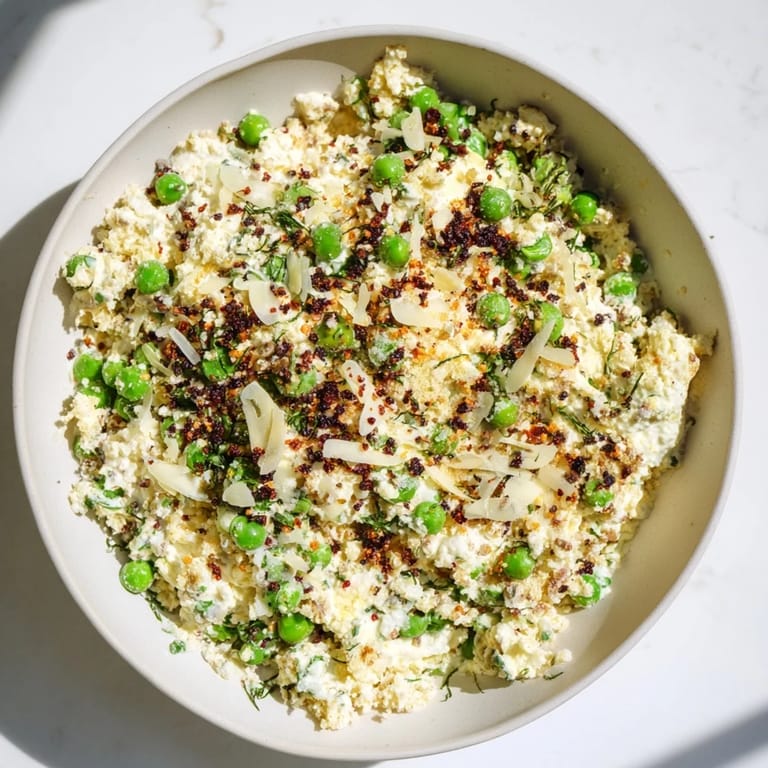
 Last spring, I opened my pantry looking for something fast and found half a bag of orzo I'd forgotten about. I tossed it in a pan with butter, peas from the freezer, and whatever Parmesan was left in the fridge. Twenty minutes later, I had this creamy, comforting bowl that tasted like I'd been cooking all afternoon. It's been my go-to ever since when I need something that feels indulgent but doesn't ask much of me.
I made this for a friend who came over exhausted from work one Tuesday. She sat at my counter while I cooked, and by the time I plated it with a little parsley on top, she looked genuinely relieved. She said it reminded her of something her grandmother used to make, which I took as the highest compliment. Now she texts me every few weeks asking if I remember the pea pasta thing.
Ingredients
- Orzo pasta: This rice-shaped pasta gets tender and creamy as it absorbs the broth, almost like a grain.
- Unsalted butter: I use unsalted so I can control the seasoning, and it adds a silky richness right from the start.
- Heavy cream: This is what makes the sauce cling to every piece of orzo without feeling heavy.
- Freshly grated Parmesan cheese: Pre-grated doesn't melt the same way, fresh Parmesan turns into this glossy, savory coating.
- Low-sodium vegetable broth: It flavors the pasta as it cooks and keeps the dish light and bright.
- Whole milk: I add this along with the broth to keep the sauce creamy without being too rich.
- Frozen green peas: They're sweet, pop with color, and cook in minutes straight from the freezer.
- Shallot: Milder than onion, it melts into the butter and gives the dish a gentle aromatic base.
- Garlic: Just two cloves add warmth without overpowering the delicate Parmesan flavor.
- Salt, black pepper, and nutmeg: A pinch of nutmeg might sound odd, but it makes the cream taste rounder and more complex.
- Fresh parsley: A handful chopped on top makes it look like something you'd order at a cafe.
Tired of Takeout? 🥡
Get 10 meals you can make faster than delivery arrives. Seriously.
One email. No spam. Unsubscribe anytime.
Instructions
- Soften the shallot:
- Melt the butter in a large skillet over medium heat and add the chopped shallot. Let it cook for 2 to 3 minutes until it turns soft and translucent, filling your kitchen with that sweet, buttery smell.
- Add the garlic:
- Stir in the minced garlic and cook for just 30 seconds until you can smell it. Don't let it brown or it will taste bitter.
- Toast the orzo:
- Add the orzo and stir it around in the butter for 1 to 2 minutes. It should smell faintly nutty and start to look glossy.
- Simmer with broth and milk:
- Pour in the vegetable broth and milk, then bring everything to a gentle simmer. Lower the heat and let it cook uncovered for 8 to 10 minutes, stirring often so the orzo doesn't stick, until it's tender and most of the liquid is gone.
- Stir in the peas:
- Add the thawed peas and cook for 2 to 3 minutes until they're bright green and warmed through. They'll add little bursts of sweetness.
- Finish with cream and cheese:
- Stir in the heavy cream, grated Parmesan, salt, pepper, and nutmeg if you're using it. Keep stirring gently for 2 to 3 minutes until the cheese melts and the sauce looks silky and clings to the orzo.
- Taste and garnish:
- Pull the skillet off the heat and taste it. Add more salt or pepper if it needs it, then sprinkle chopped parsley on top before serving.
 Save to Pinterest
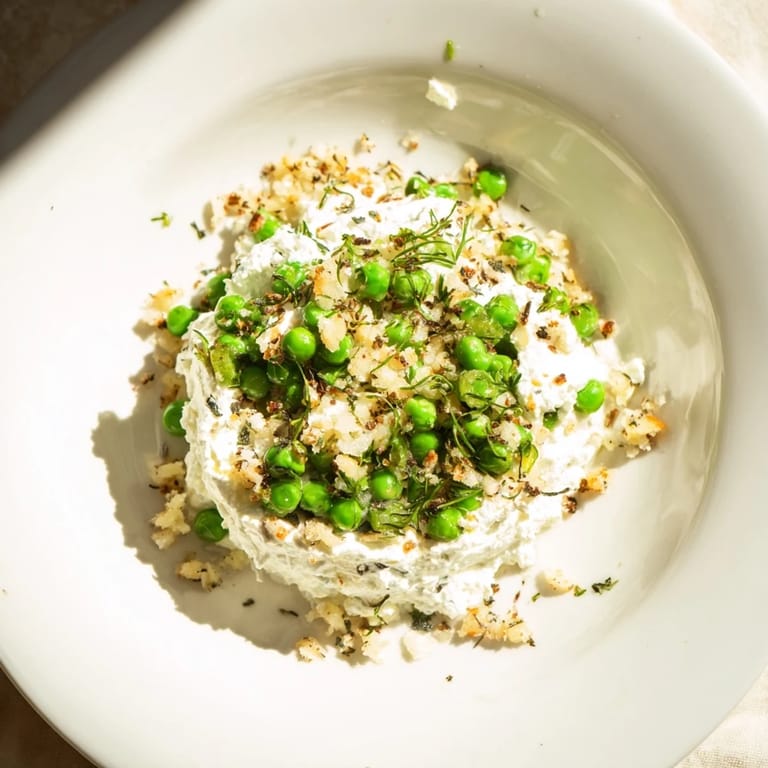
 One night I doubled the recipe and brought it to a potluck, and it disappeared before the main course even hit the table. People kept asking if I'd used risotto rice, and I loved telling them it was just orzo cooked like pasta. It felt like sharing a secret that made everyone's weeknight dinners a little easier.
Serving Suggestions
I usually eat this straight from the pan with a big spoon, but it's also lovely next to roasted chicken, pan-seared salmon, or a simple green salad. If you want to make it a full meal on its own, top it with a fried egg or some sauteed mushrooms. It's one of those dishes that works however you need it to.
Storage and Reheating
Leftovers keep in the fridge for up to three days in an airtight container. The orzo will soak up more sauce as it sits, so when you reheat it, add a splash of milk or broth and warm it gently on the stove. I don't recommend freezing it because the cream can separate, but it's so easy to make fresh that I've never really needed to.
Ways to Make It Your Own
This recipe is forgiving and loves a little improvisation. If you don't have peas, try baby spinach, chopped asparagus, or even roasted cherry tomatoes. A squeeze of lemon juice at the end brightens everything up, and a splash of white wine before you add the cream makes it taste fancy.
- Swap the Parmesan for Pecorino Romano if you want a sharper, saltier flavor.
- Stir in a handful of fresh basil or thyme along with the parsley for extra freshness.
- Use half-and-half instead of heavy cream if you want something a little lighter but still creamy.
 Save to Pinterest
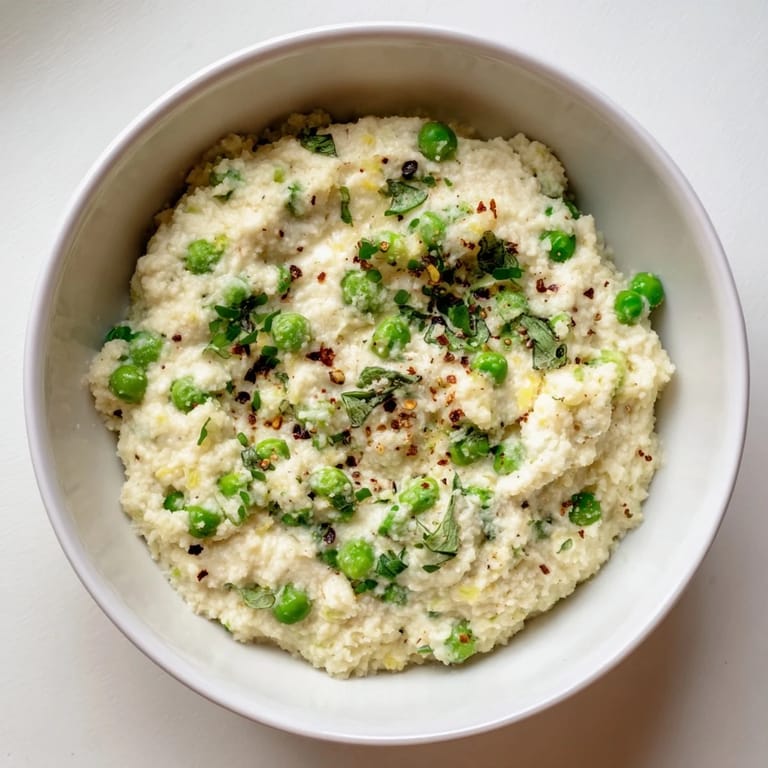
 This dish has become one of those recipes I make without thinking, the kind that feels like a hug in a bowl. I hope it becomes that for you too.
Recipe FAQs
- → How do I ensure the orzo cooks perfectly?
Cook the orzo uncovered in simmering broth and milk, stirring frequently to prevent sticking, until just tender and most liquid is absorbed.
- → Can I substitute green peas with other vegetables?
Yes, baby spinach or asparagus tips work well as alternatives, offering fresh flavor and texture.
- → What adds creaminess to the sauce?
Heavy cream combined with freshly grated Parmesan melts into the orzo, creating a rich and smooth sauce.
- → Is this suitable for vegetarian diets?
Yes, the dish contains no meat or fish and relies on dairy and vegetables for flavor and richness.
- → How can I adjust seasoning to taste?
Add salt, black pepper, and optionally a pinch of nutmeg gradually; taste and adjust before serving.