 Save to Pinterest
 Last spring, I woke up craving something warm and sweet that wasn't a pastry or a cake. I remembered my neighbor once mentioning cinnamon raisin bread she used to bake on Sundays, so I gave it a shot with whatever I had in the pantry. The kitchen smelled like a bakery within an hour. That first slice, still warm and brushed with butter, became my new weekend ritual.
I brought a loaf to a brunch once, still barely cool, wrapped in a tea towel. Everyone tore into it before I even set out the butter. One friend asked if I'd bought it from the farmers market. I didn't correct her right away. It felt good to let the bread speak for itself.
Ingredients
- Bread flour: This gives the loaf structure and chew, something all purpose flour just cant match in a yeasted bread.
- Active dry yeast: Always check the expiration date, I once used old yeast and waited two hours for dough that never rose.
- Whole milk: Warmed to 110 degrees, it wakes up the yeast and adds richness without making the dough heavy.
- Unsalted butter: Softened butter blends smoothly into the dough and also gets spread onto the rolled dough for the swirl.
- Raisins: I use regular dark raisins, but golden ones or even dried cranberries work beautifully if you want a twist.
- Light brown sugar and cinnamon: This duo creates the sweet, spiced ribbon that defines the loaf.
Tired of Takeout? 🥡
Get 10 meals you can make faster than delivery arrives. Seriously.
One email. No spam. Unsubscribe anytime.
Instructions
- Bloom the yeast:
- Pour warm milk over the yeast and let it sit until it gets foamy and smells faintly sweet. If nothing happens after five minutes, your milk was too hot or your yeast is dead.
- Mix the dough:
- Add sugar, egg, and butter to the yeast mixture, then stir in flour and salt. Knead with a dough hook for eight to ten minutes until the dough is smooth, elastic, and pulls away from the bowl cleanly.
- Fold in the raisins:
- Add raisins and knead just until they are evenly distributed. Dont overdo it or they will break apart and stain the dough.
- First rise:
- Place dough in a greased bowl, cover with a damp towel, and let it rise in a warm spot for one to one and a half hours. It should double in size and feel puffy when you poke it.
- Prepare the swirl:
- Mix brown sugar and cinnamon in a small bowl. Set it aside along with softened butter.
- Roll out the dough:
- Punch down the risen dough and roll it into a rectangle about eight by sixteen inches on a floured surface. The dough should be even and not too thin.
- Add the swirl:
- Spread softened butter over the dough, leaving a half inch border, then sprinkle the cinnamon sugar evenly on top. Press it lightly so it sticks.
- Roll and seal:
- Starting from the short end, roll the dough tightly into a log. Pinch the seam firmly and tuck the ends under so nothing leaks out during baking.
- Second rise:
- Place the log seam side down in a greased loaf pan, cover, and let it rise for forty five to sixty minutes until puffy. It should crest just above the rim of the pan.
- Bake:
- Bake at 350 degrees for thirty five to forty minutes until the top is golden brown and the loaf sounds hollow when tapped. If it browns too fast, tent it with foil halfway through.
- Finish and cool:
- Let the loaf cool in the pan for ten minutes, brush with melted butter if you want a soft glossy crust, then turn it out onto a rack. Wait until its completely cool before slicing or the inside will gum up.
 Save to Pinterest
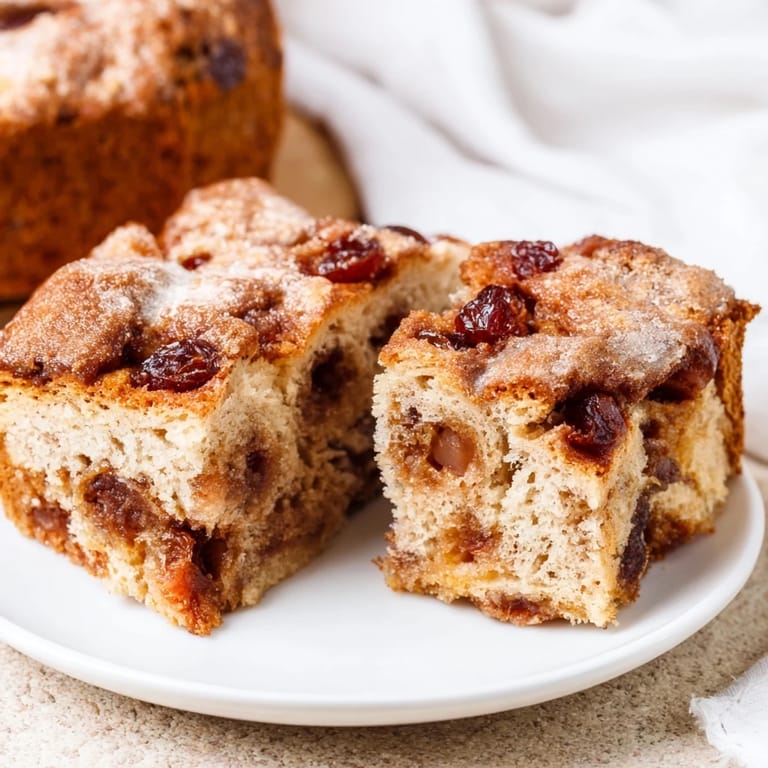
 One Saturday morning my daughter asked if we could make the cinnamon bread together. She rolled the dough, unevenly, and dumped too much cinnamon on one side. It baked up lopsided and delicious. We ate it warm with butter and honey, and she still talks about it like it was the best thing we ever made.
Storage and Make Ahead Tips
This bread stays soft for about three days in an airtight container on the counter. After that it starts to dry out, but it makes incredible toast or bread pudding. I slice the whole loaf once its cool, freeze the slices in a freezer bag, and pull out one or two at a time for quick breakfasts. You can also freeze the whole loaf wrapped tightly in plastic and foil for up to a month.
Serving Suggestions
I love this bread toasted with salted butter and a drizzle of honey. It also pairs beautifully with cream cheese, especially the whipped kind with a little vanilla. For something more indulgent, make French toast with thick slices, the cinnamon swirl caramelizes on the edges and tastes like dessert for breakfast. A simple glaze made from powdered sugar and milk turns it into something bakery worthy if you are serving guests.
Variations and Substitutions
If you do not have bread flour, all purpose works but the texture will be slightly softer and less chewy. You can swap raisins for dried cranberries, chopped dates, or even chocolate chips if you are feeling adventurous. For a nuttier loaf, fold in half a cup of chopped walnuts or pecans with the raisins. Some people like adding a quarter teaspoon of nutmeg or cardamom to the cinnamon sugar for extra warmth.
- Try golden raisins for a milder sweetness and lighter color throughout the loaf.
- Add a tablespoon of orange zest to the dough for a subtle citrus note that plays well with cinnamon.
- Use half whole wheat flour for a heartier, slightly denser loaf with more fiber.
 Save to Pinterest
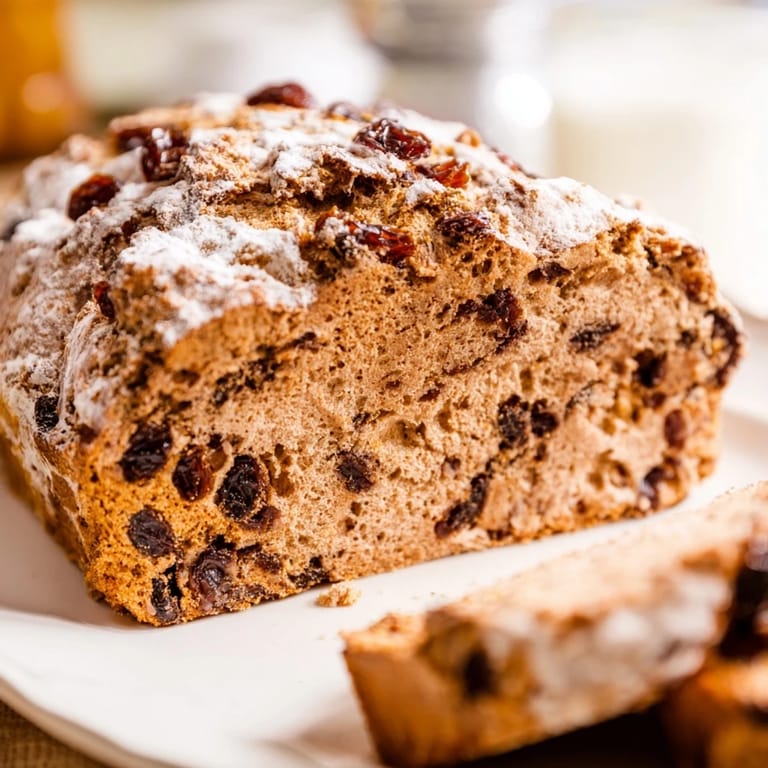
 There is something quietly satisfying about pulling a loaf like this from your own oven. It is not fancy, but it feels like care baked into something you can hold and share.
Recipe FAQs
- → What type of flour works best for this bread?
Bread flour is recommended for its higher protein content, which helps create a soft and elastic dough suitable for a tender loaf.
- → Can I substitute golden raisins instead of regular ones?
Yes, golden raisins can be used to add a slightly different sweetness and color without affecting the texture.
- → How long should I let the dough rise?
Allow the dough to rise in a warm place for about 1 to 1.5 hours or until it doubles in size, then a second rise of 45–60 minutes after shaping.
- → Is it necessary to brush the loaf with melted butter after baking?
Brushing with melted butter adds a lovely sheen and enhances flavor but can be omitted if preferred.
- → Can this bread be frozen?
Yes, once completely cooled, wrap the loaf tightly and freeze it for up to one month without compromising taste or texture.