 Save to Pinterest
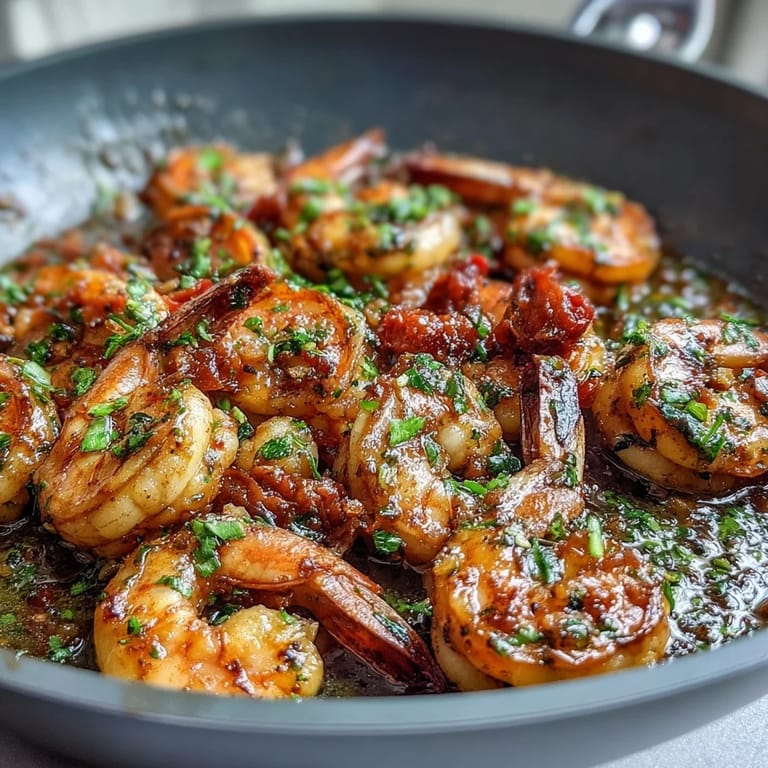
 My neighbor knocked on my door one Tuesday evening with a bag of enormous Gulf shrimp she'd grabbed on sale, and instead of the usual pasta night, we decided to wing it with whatever was in my vegetable drawer. That's how this stir-fry became my go-to when I need something that tastes like I've spent hours cooking but takes barely longer than opening a bottle of wine. The key is embracing the speed, letting the heat do the work, and trusting that fresh shrimp and crisp vegetables need almost nothing to shine.
I made this for a date once who mentioned offhandedly that they didn't eat much seafood, and somehow I still suggested this recipe anyway. Watching their face when they tasted that first bite of tender shrimp glazed in savory-sweet sauce—I knew I'd made the right call trusting the dish over the doubt in my head.
Ingredients
- Large shrimp, peeled and deveined (1 lb): Look for ones that feel firm and smell like ocean, not ammonia, which is your sign they're fresh and worth the splurge.
- Red and yellow bell peppers (1 each, sliced): The colors matter here not just for looks but because they stay crisp longer than other peppers and add natural sweetness that balances the sauce.
- Broccoli florets (1 small crown): Cut them smaller than you think you need to so they cook evenly and stay verdant instead of turning army green.
- Carrot, julienned (1 medium): Thin slices cook fast enough to stay snappy, which is the whole point of stir-frying.
- Sugar snap peas (1 cup trimmed): These are the luxury ingredient here; they cost more but they're the ones that stay crispy no matter what, and eating them straight from the pan is half the fun.
- Green onions, sliced (3): Divide them into white and green parts; the whites go in with the vegetables, the greens go on at the end so they stay bright and alive.
- Low-sodium soy sauce (3 tbsp): Low-sodium lets you taste the other flavors instead of just salt; I learned this the hard way after an oversalted stir-fry that made me drink water for an hour.
- Oyster sauce (1 tbsp, optional): This is the ingredient that tastes mysterious until you realize it's just umami doing its job, making everything taste deeper and more intentional than it is.
- Sesame oil (2 tsp): Never cook with sesame oil; use it as a finisher instead because heat destroys its nutty personality faster than you'd think.
- Honey or brown sugar (2 tbsp): Honey dissolves faster in the warm sauce, so use that if you're impatient like I am.
- Rice vinegar (1 tbsp): This cuts through the richness like a tiny whistle, keeping the dish from feeling heavy.
- Cornstarch (2 tsp): Mixed into the sauce before it hits the pan, this thickens everything into a glossy coat instead of letting it stay watery and sad.
- Water (2 tbsp): This is the liquid that gives the cornstarch something to grip, so don't skip it thinking more sauce is better.
- Vegetable oil (2 tbsp total): Peanut oil is my favorite here because it has a higher smoke point and tastes faintly toasty when things get hot.
- Garlic cloves, minced (3): Mince them just before cooking or they'll turn bitter and harsh; the moment you smell that garlic hit the oil is your signal to work fast.
- Fresh ginger, grated (1-inch piece): Ginger root tastes completely different from powdered, almost bright where powder is dusty, so buy a knob and grate it on a microplane.
- Sesame seeds for garnish (1 tbsp, optional): Toast these in a dry pan for thirty seconds before sprinkling so they taste toasted instead of raw and floury.
- Fresh cilantro or green onion tops: Add this at the last second so it stays crisp and herbaceous instead of wilting into the warm vegetables.
Tired of Takeout? 🥡
Get 10 meals you can make faster than delivery arrives. Seriously.
One email. No spam. Unsubscribe anytime.
Instructions
- Make your sauce first, while the pan is still cold:
- Whisk together the soy sauce, oyster sauce, sesame oil, honey, rice vinegar, cornstarch, and water in a small bowl until the cornstarch dissolves and everything looks smooth. This is your insurance policy against scrambling later when things are moving fast and the shrimp is already pink.
- Dry and season the shrimp like they're about to go on stage:
- Pat them completely dry with paper towels because any moisture keeps them from getting that slightly caramelized edge, then sprinkle with just a pinch of salt and pepper. Wet shrimp steam instead of sear, and steamed shrimp taste like nothing.
- Sear the shrimp in their own moment:
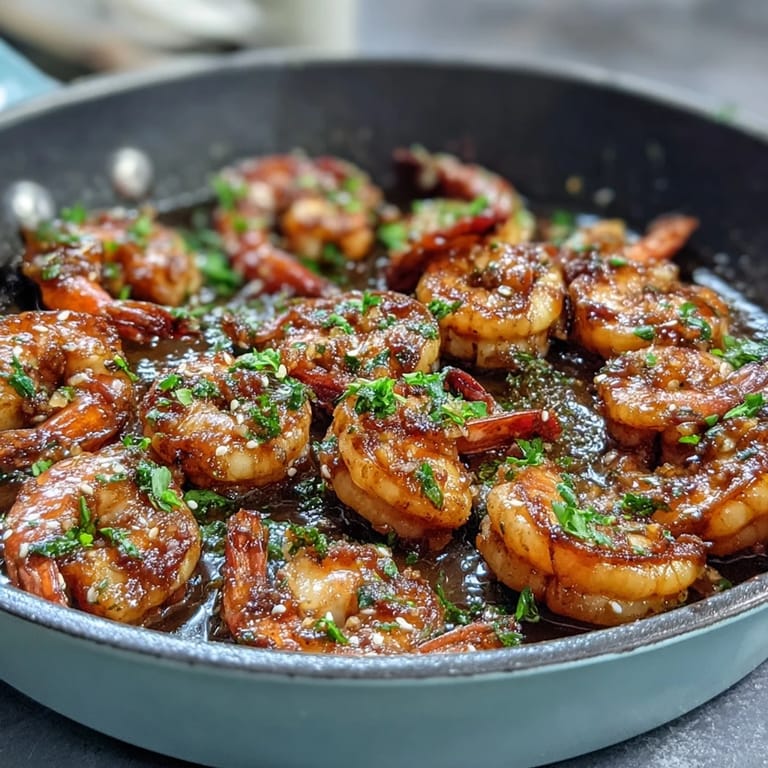
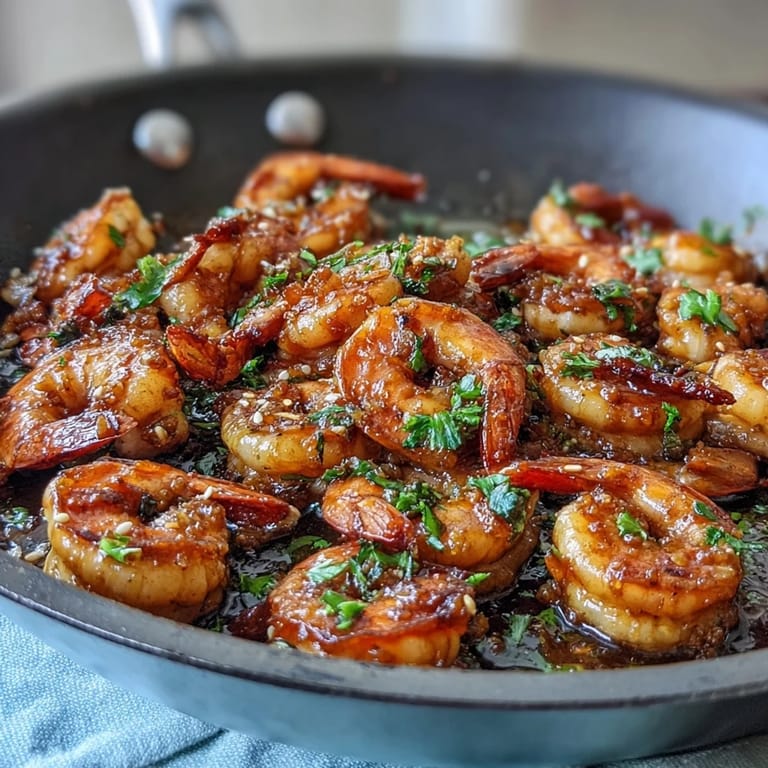
- Get one tablespoon of oil smoking hot in a large skillet or wok over medium-high heat, then add the shrimp in a single layer and leave them alone for two minutes before stirring. They'll turn pink and get a slight golden edge, at which point you move them to a plate and don't look back.
- Wake up the aromatics without burning them:
- Add the remaining oil, then immediately add the minced garlic and grated ginger, stirring constantly for about thirty seconds until your whole kitchen smells like an Asian restaurant. This is about building flavor, not cooking them; the second it smells incredible, move to the next step.
- Cook the vegetables until they're snappy, not soft:
- Add the bell peppers, broccoli, carrot, and sugar snap peas, and keep stirring for three to five minutes; they should still have a slight crunch when you bite one. This is also when you add the white parts of the green onions if you've divided them up.
- Bring the shrimp home with the green onion tops:
- Return the cooked shrimp to the pan and add the green parts of the sliced green onions, stirring everything together for about a minute just to warm the shrimp back up.
- Finish with sauce and trust the cornstarch:
- Pour that sauce you made earlier over everything and stir constantly for two to three minutes; you'll watch it transform from looking watery to glossy and thick, coating every piece like it was meant to be there.
- Taste and adjust before plating:
- This moment is your chance to add more soy sauce if it tastes flat, a splash of rice vinegar if it tastes too sweet, or red pepper flakes if you want heat. Trust your mouth over the recipe.
- Garnish like it matters and serve immediately:
- Sprinkle with toasted sesame seeds and fresh cilantro or extra green onion, then dish it straight onto rice or noodles while everything is still hot and the vegetables still have their snap.
 Save to Pinterest
 My partner used to say they weren't a seafood person until I made this for them on a random Thursday, and now they request it by name. Food has a way of changing minds when it tastes like someone actually cared about the cooking part.
The Mise en Place Moment
I used to cook stir-fries chaotically, adding ingredients as I prepped them, which meant half the vegetables were overcooked while I was still cutting the other half. The day I lined up every single ingredient in small bowls before turning on the heat, everything changed. Now I treat mise en place like a meditation, and stir-frying becomes this graceful dance instead of a panicked sprint.
Heat Management Matters
Medium-high heat seems like a suggestion until you realize that too low and your vegetables steam instead of sear, and too high and your garlic burns before you can even stir it. The sweet spot is when oil shimmers but doesn't smoke, and once you find that temperature, everything else follows naturally. I learned this after a few versions that tasted either greasy or burnt, and now I use my wrist as a thermometer, holding it over the pan to feel the heat radiating.
Variations and Personal Twists
This recipe is forgiving enough that it can become whatever you need it to be on any given night. I've made it with chicken on nights when the seafood market looked questionable, with tofu when a vegetarian friend came to dinner, and once with mostly mushrooms when I realized halfway through that I'd forgotten to buy any vegetables except those. The sauce works with everything because garlic and ginger are that good, and sometimes the best meals come from working with what's in front of you instead of what the recipe demands.
- Add fresh chili slices or red pepper flakes if you want heat that builds slowly instead of hitting all at once.
- Swap oyster sauce for tamari or coconut aminos if soy isn't your thing, and the dish becomes something entirely new but equally good.
- Serve over cauliflower rice instead of regular rice and it becomes the kind of meal that feels healthy without tasting like punishment.
 Save to Pinterest
 This stir-fry sits somewhere between weeknight rescue and genuinely delicious meal, which is why it's become my most reliable dinner when everything else feels too complicated. Make it once and you'll understand why.
Recipe FAQs
- → How do I prevent shrimp from overcooking?
Cook shrimp just until they turn pink and opaque, usually 2–3 minutes per side. Remove promptly to avoid toughness.
- → Can I substitute vegetables in this dish?
Yes, feel free to use seasonal vegetables like snap peas, broccoli, or bell peppers depending on availability and preference.
- → What sauce ingredients add the savory flavor?
Low-sodium soy sauce, oyster sauce, garlic, ginger, sesame oil, and a touch of honey combine to create a rich, balanced sauce.
- → Is this dish suitable for gluten-sensitive diets?
Using tamari instead of soy or oyster sauce can make this dish gluten-free. Always check labels for hidden gluten.
- → How can I add some heat to this stir-fry?
Sprinkle red pepper flakes or add sliced fresh chili during cooking for a spicy kick.
- → What are good side options to serve with this dish?
Steamed rice or noodles pair wonderfully, complementing the savory shrimp and vegetable medley.