 Save to Pinterest
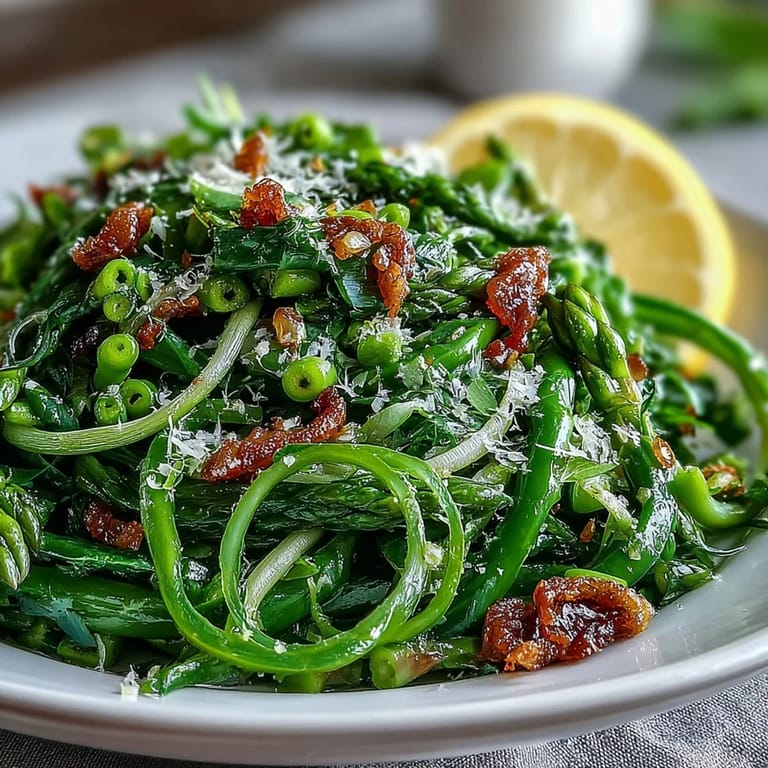
 Last spring, I was standing at the farmers market on a Saturday morning when a vendor handed me a bunch of the most impossibly slender asparagus I'd ever seen. Something about the way the sunlight caught those delicate spears made me want to do something unexpected with them—not roast them, not grill them, but shave them raw into ribbons that would stay crisp and bright. That's when this salad was born, almost by accident, a celebration of how tender spring vegetables can be when you just let them be themselves.
I made this for a potluck dinner last May, nervous it might seem too simple compared to everyone else's elaborate dishes. But watching people come back for thirds, and overhearing someone ask for the recipe while actually taking notes on their phone—that moment told me everything about why this salad works. It's humble but doesn't feel like an afterthought, it's light but genuinely satisfying.
Ingredients
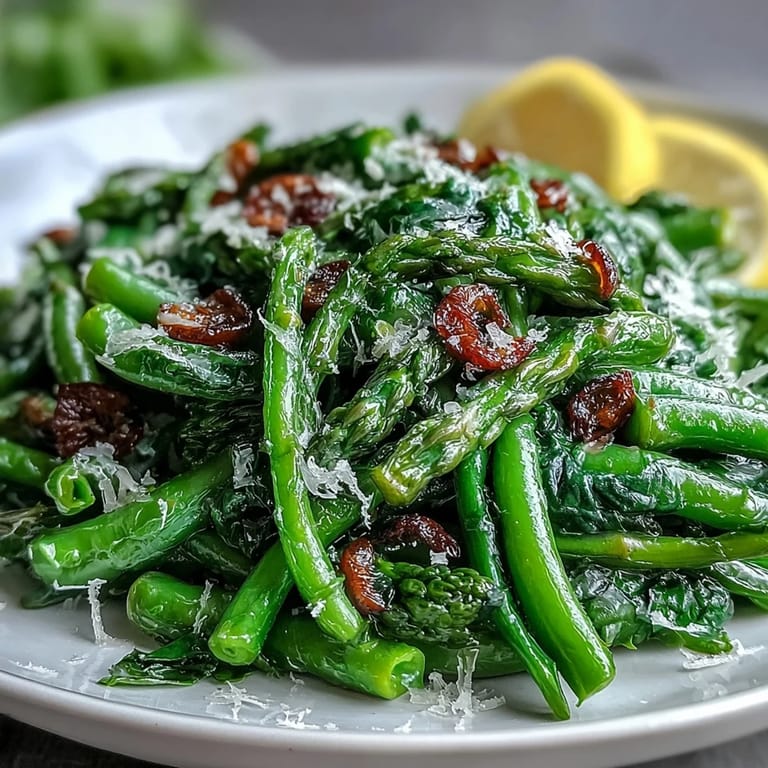
- Fresh asparagus: The woody ends need to go, but the tender part becomes almost butter-soft when shaved thin—this is what makes the whole dish sing.
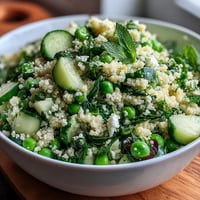
- Green peas: Fresh or frozen works beautifully; I actually prefer frozen because they're picked at peak sweetness and stay that way.
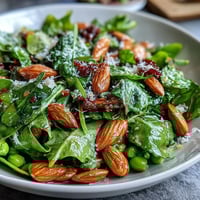
- Baby arugula or spring greens: Choose something delicate rather than sturdy kale; you want greens that feel like part of the spring story.
- Radishes: They add a whisper of peppery bite and those jewel-like circles of color that make people pause before eating.
- Shaved Parmesan or pecorino: Use a vegetable peeler on a wedge of real cheese; those thin curls melt into the warm salad in a way grated cheese never quite does.
- Toasted pine nuts or slivered almonds: Toast them yourself for about three minutes in a dry pan—the smell alone is worth the tiny bit of effort.
- Extra-virgin olive oil: This is where the golden, peppery notes come from, so don't skimp on quality here.
- Fresh lemon juice and zest: Bottled lemon juice will taste sharp and hollow by comparison; squeeze one fresh lemon and you'll taste the difference immediately.
- Dijon mustard: Just a teaspoon acts as an emulsifier and adds a subtle sharpness that ties everything together.
- Honey or maple syrup: A tiny amount balances the acidity of the lemon without making it sweet; it's the secret ingredient nobody mentions.
Tired of Takeout? 🥡
Get 10 meals you can make faster than delivery arrives. Seriously.
One email. No spam. Unsubscribe anytime.
Instructions
- Shave the asparagus:
- Hold each spear steady and pull a vegetable peeler toward you, listening for that satisfying scraping sound as thin ribbons fall into your bowl. The thinner the shave, the more tender it stays, so don't be timid with the peeler.
- Build the salad base:
- Toss the asparagus ribbons with the peas, greens, and radishes in a large bowl, mixing gently so nothing gets bruised. At this point it looks like spring itself.
- Make the dressing:
- Whisk everything together in a small bowl or jar, tasting as you go and adjusting the lemon or salt to your preference. The mustard should be whisked in thoroughly so it emulsifies rather than settling at the bottom.
- Dress and toss:
- Pour the dressing over the salad and toss with restraint, lifting the vegetables gently rather than aggressively chopping them around. You want a light coat, not a soggy mess.
- Top and serve:
- Scatter the Parmesan shards and toasted nuts over the top, either tossing them in or leaving them sitting prettily on the surface. Serve right away while the asparagus is still crisp and the nuts still have a whisper of warmth.
 Save to Pinterest
 There's something magical about serving a salad where every bite tastes like you've just picked it from the garden, even if your garden is a city apartment balcony. My grandmother tasted this version and told me it reminded her of spring lunches in the Hamptons decades ago—I'm still not sure if that was a compliment or just her nostalgia talking, but either way, it stuck with me.
The Shaving Technique That Changes Everything
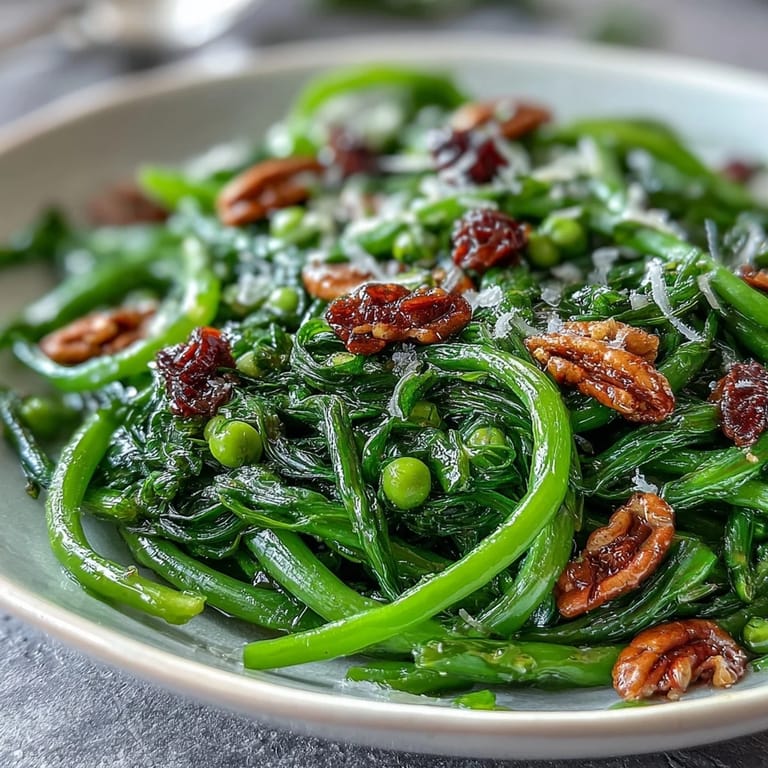
The first time I tried shaving asparagus, I was skeptical—wouldn't it just break apart? But when you use a vegetable peeler with a light hand and keep the spear steady, something magical happens. Those ribbons stay intact, stay tender, and catch the dressing in little pockets that make each bite taste gourmet. The peeler is doing something that knives can't quite achieve; it's slicing parallel to the fiber rather than cutting across it.
When to Make This Salad
This is a spring and early summer salad, the kind you make when the farmers market has that first rush of tender vegetables and the air finally feels warm enough to eat something light. I've made it in fall too, and while it's still delicious, something about it belongs to those first weeks of real warm weather, when you realize you can stop thinking about comfort food for a few months. It's also excellent as a side dish for grilled fish or roasted chicken if you want something more substantial on the plate.
Variations and Swaps That Work
Once you understand how this salad works, you can play with it confidently. Sugar snap peas are wonderful if you can't find green peas, and they add a different kind of crunch. Blanched fava beans bring an earthiness that's gorgeous in spring, and shaved fennel can replace some of the asparagus for a more sophisticated flavor profile. Fresh mint or basil scattered over the top changes the whole mood, making it feel more Mediterranean or herbaceous. If you're avoiding dairy, shaved or crumbled tofu works surprisingly well, or you can simply let the nuts be the main protein element.
- Try blanching the asparagus for 90 seconds if you prefer it slightly softer, then shock it in ice water before shaving.
- Make the dressing in a jar and shake it vigorously for a minute to get it truly emulsified and foamy.
- Toast your nuts and seeds a day ahead so you have them ready whenever the craving strikes.
 Save to Pinterest
 This salad has become my go-to when I want to feel like I've cooked something special without any actual cooking involved. It's proof that the best meals often come from understanding a few good ingredients and knowing how to treat them with respect.
Recipe FAQs
- → How do I shave asparagus for this salad?
Use a vegetable peeler to slice the asparagus stalks into thin, ribbon-like strips. This technique softens the texture and enhances the salad’s presentation.
- → Can I substitute the pine nuts with another nut?
Yes, toasted slivered almonds work well as a substitute and provide a similar crunch and nutty flavor.
- → What greens work best in this salad?
Baby arugula or mixed spring greens add peppery and fresh notes that balance the sweet peas and lemon dressing nicely.
- → Is it possible to make this dish vegan?
Omit the shaved Parmesan cheese or replace it with a plant-based alternative to keep the dish vegan-friendly.
- → How should the lemon dressing be prepared?
Whisk together extra-virgin olive oil, fresh lemon juice, lemon zest, honey or maple syrup, Dijon mustard, sea salt, and black pepper until emulsified and smooth.
- → Can the peas be swapped for other vegetables?
Sugar snap peas or blanched fava beans are good substitutes that maintain the fresh green color and sweet bite.