 Save to Pinterest
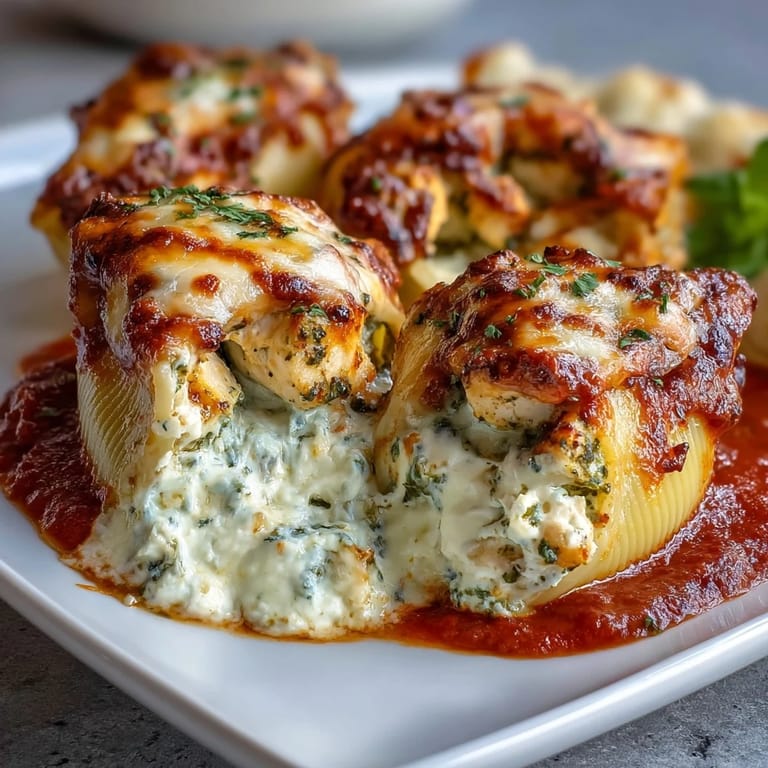
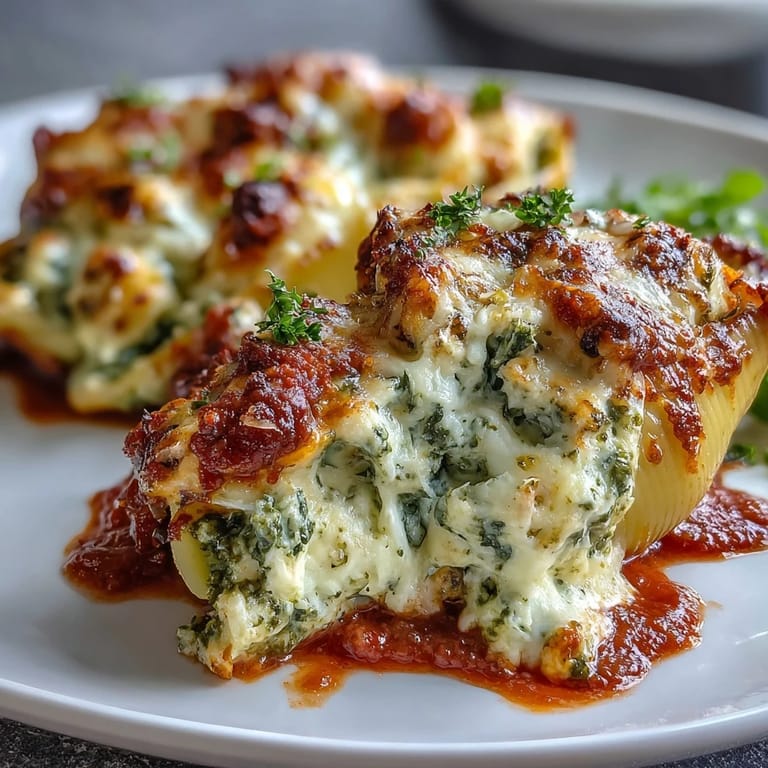
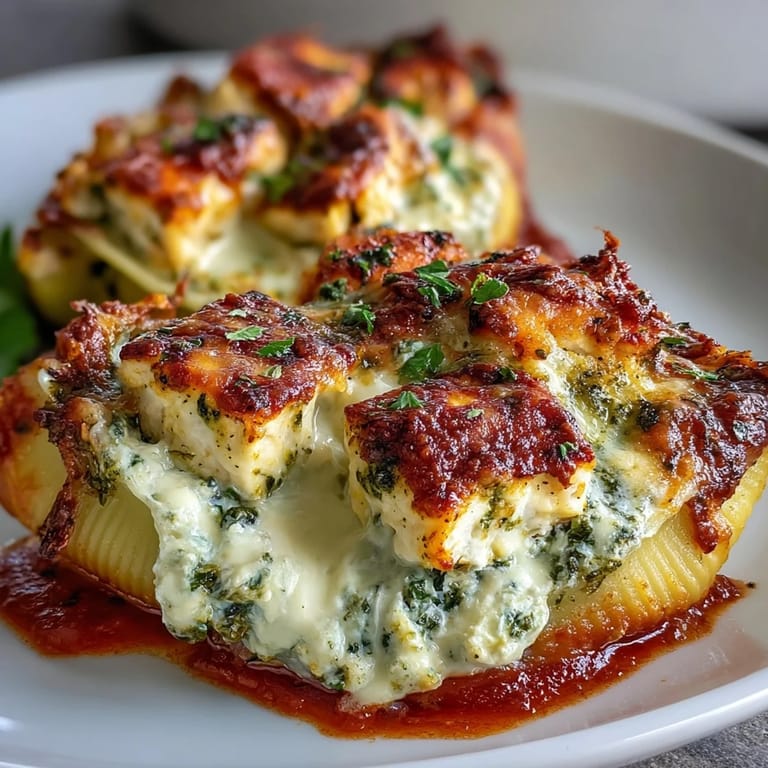
 My neighbor brought over a casserole dish one Tuesday evening, steam still rising from under the foil, and I realized I'd been making lasagna all wrong my whole life. She'd stuffed jumbo pasta shells with ricotta, layered them with pesto-coated chicken, and the whole thing came together in under an hour without the fussy layering I'd always dreaded. That first bite—creamy filling, herbaceous pesto, tangy marinara all in one tender shell—made me understand why she'd been so smug about her shortcut. Now this is the dish I make when I want Italian comfort food but my patience is running short.
I made this for my sister's book club last spring, and watching four women go quiet mid-conversation to focus entirely on their plates told me everything. One of them asked for the recipe, then admitted she'd been intimidated by anything involving pasta shells, which made me laugh because this is genuinely one of the easiest elaborate-looking dinners I know. The fact that I could have it ready before they'd finished their first glass of wine felt like the ultimate kitchen victory.
Ingredients
- Jumbo pasta shells (20 shells): These need to be genuinely jumbo—regular shells will crack or hold too little filling—and cooking them just to al dente keeps them sturdy enough to stuff without falling apart when you handle them.
- Ricotta cheese (1½ cups): This is your creamy anchor, and it deserves to be fresh; older ricotta can be grainy and will throw off the whole texture you're aiming for.
- Parmesan cheese, grated (¾ cup): Freshly grating it yourself makes a noticeable difference in flavor intensity compared to pre-grated, which gets coated with anti-caking agents.
- Egg (1 large): This binds everything together and keeps the filling from being watery, so don't skip it thinking you can thicken things another way.
- Mozzarella cheese, shredded (1 cup plus ½ cup for topping): Use whole milk mozzarella if you can find it; it melts smoother and browns more beautifully than part-skim.
- Salt and black pepper: Taste your filling before you stuff—the cheese brings salt, so you might need less than you'd expect, and fresh cracked pepper gives a brightness store-ground can't match.
- Basil pesto (⅓ cup): Store-bought works fine here, and honestly saves you the step of making it from scratch, though homemade adds that fresh-picked garden quality if you have time.
- Cooked chicken breast (2 cups shredded or diced): Rotisserie chicken is your secret to making this weeknight-friendly; it's already seasoned and tender, and no one will know you didn't poach it yourself.
- Marinara sauce (2 cups): A good-quality jar makes all the difference—taste a spoonful before you buy; some brands run too acidic or too sweet, and that sets the whole tone.
- Fresh basil leaves for garnish: This is optional but worth doing; those green flecks on top catch the light and make people think you're fancier than you actually are.
Tired of Takeout? 🥡
Get 10 meals you can make faster than delivery arrives. Seriously.
One email. No spam. Unsubscribe anytime.
Instructions
- Heat your oven and prep:
- Get the oven to 375°F and lightly grease that 9x13-inch baking dish—just enough so nothing sticks, not swimming in oil. This gives you time to gather everything while it preheats, which is honestly the most organized I feel when cooking.
- Cook the shells until they're just soft enough:
- Boil salted water, add the jumbo shells, and watch them carefully because the difference between al dente and mushy is maybe two minutes. Drain them and lay them on a clean kitchen towel to cool—warm shells are harder to handle, and they'll finish cooking in the oven anyway.
- Make the ricotta mixture taste like home:
- Combine ricotta, Parmesan, egg, mozzarella, salt, pepper, and the Italian herbs if using, stirring until it's smooth and creamy without any lumps. This is where you taste and adjust—if it tastes a bit bland, it's fine; the pesto and marinara will add flavor where it matters.
- Coat the chicken in herbaceous green:
- Toss your cooked chicken with the pesto in a separate bowl until every piece gets that greenish coating. The pesto might seem to disappear into the chicken at first, but it's working, adding that basil punch that makes this feel special.
- Create a sauce foundation:
- Spread 1 cup of marinara across the bottom of your baking dish—this prevents sticking and creates a flavor layer underneath. It doesn't need to cover every spot perfectly; you're building, not painting a masterpiece.
- Stuff each shell with care and intention:
- Fill each cooked shell with roughly 1 tablespoon of ricotta mixture (a small cookie scoop works perfectly here), then add a spoonful of pesto chicken on top. Arrange them seam-side up in the baking dish, nestling them close together but not cramming them so tight they can't cook evenly.
- Layer the final toppings:
- Spoon the remaining marinara sauce over and around the shells, letting it settle into the gaps, then scatter that ½ cup of mozzarella across the top. It should look generous and a bit messy; that's when you know you've got enough.
- Bake covered, then let it breathe:
- Cover the dish with foil and slide it into the oven for 25 minutes—the foil traps steam and prevents the cheese from browning before the filling heats through. Remove the foil and bake another 10 minutes until the mozzarella is melted, bubbly, and starting to brown at the edges.
- Rest before serving:
- This five-minute rest lets everything set slightly so you can serve it without it collapsing into a saucy puddle. Honestly, it also gives you time to make a salad or pour a glass of wine without feeling rushed.
 Save to Pinterest
 I served this to my parents last summer, and my dad—who's suspicious of anything that feels too creative—cleaned his plate and asked when I'd learned to cook like this. I didn't tell him it took forty minutes start to finish; I just smiled and accepted the compliment, knowing that sometimes the dishes that look most impressive are actually the ones that ask the least of you.
Why Rotisserie Chicken Changes Everything
Using rotisserie chicken instead of poaching your own saves you at least twenty minutes and a pot of water you'd have to monitor. It arrives already seasoned, moist, and tender, which means your filling tastes intentional rather than bland. I've made this both ways, and honestly, the rotisserie version tastes better because that bird has more flavor built in from however they season and cook theirs.
The Pesto Question: Fresh or Jarred
Fresh basil pesto from your garden or a farmers market hits different—it tastes like summer and brightness. But jarred pesto that's been sitting in the pantry works just fine for a Tuesday night dinner when you're not looking to make everything from scratch. The key is tasting what you buy; some jarred pestos lean heavy on garlic or oil, and if that's not your vibe, you might want to look for one labeled toward the herbal side.
Variations That Actually Work
I've made vegetarian versions by swapping spinach and mushrooms for the pesto chicken, and they're genuinely delicious rather than feeling like a sacrifice. Cottage cheese works instead of ricotta if that's what you have, though the texture shifts slightly toward tangier and less creamy. You could also brown some Italian sausage, mix it into the ricotta, and skip the chicken entirely for a different kind of comfort.
- Try adding sun-dried tomatoes or roasted red peppers to the ricotta filling for more color and complexity.
- A handful of fresh spinach stirred into the ricotta adds earthiness without requiring a whole separate ingredient list.
- If your pesto is particularly strong, you might dilute it slightly with a touch of olive oil so the chicken doesn't taste overpoweringly herbal.
 Save to Pinterest
 This dish taught me that sometimes the fanciest-looking dinners are really just smart shortcuts and good ingredients doing what they're meant to do. Every time I make it, I'm reminded that cooking doesn't always have to be complicated to be worth sharing.
Recipe FAQs
- → Can I make this ahead of time?
Yes, assemble the stuffed shells up to 24 hours in advance, cover tightly, and refrigerate. Bake when ready, adding 5-10 minutes to the cooking time if baking cold from the refrigerator.
- → What can I use instead of rotisserie chicken?
Any cooked chicken works well—grilled breasts, poached, or even leftover chicken from another meal. You can also sauté raw chicken breast strips before tossing with pesto.
- → How do I store leftovers?
Store cooled stuffed shells in an airtight container in the refrigerator for 3-4 days. Reheat in the oven at 350°F until warmed through, or microwave individual portions.
- → Can I freeze these stuffed shells?
Absolutely. Assemble in a freezer-safe dish, wrap tightly with plastic and foil, and freeze for up to 3 months. Thaw overnight in the refrigerator before baking as directed.
- → What sides pair well with this dish?
A crisp green salad with vinaigrette balances the richness perfectly. Garlic bread, roasted vegetables like asparagus or broccoli, or a simple Caprese salad also complement the Italian flavors beautifully.