 Save to Pinterest
 My neighbor knocked on the kitchen door one spring evening with a bag of pristine scallops from the fish market, and I suddenly understood why people get excited about seafood. She'd mentioned offhandedly that she'd bought too many, but really I think she was testing whether I could handle cooking something that felt restaurant-worthy at home. Twenty minutes later, the smell of butter and lemon filled the kitchen, and she was already asking for the recipe before she'd even taken a bite.
I made this the night after a particularly long work week, and there's something about watching those scallops turn golden in a hot pan that feels like pure magic. My partner kept hovering near the stove, drawn by the smell of garlic hitting butter, and by the time we sat down to eat, we weren't talking about our day anymore. We were just tasting bright lemon, tender seafood, and remembering why we bothered cooking from scratch in the first place.
Ingredients
- Large sea scallops, 1 lb patted dry: The dryness is non-negotiable because it's what lets them develop that beautiful golden crust instead of steaming themselves into rubber.
- Unsalted butter, 3 tablespoons divided: Using butter in two stages means you get a sear from the combined fat and then a silky sauce without the heat burning delicate milk solids.
- Extra-virgin olive oil, 2 tablespoons: The oil keeps the butter from burning at high heat, a partnership that's genuinely better than either alone.
- Garlic, 3 cloves minced: Don't skip the 30-second blooming step—it transforms raw garlic bite into something that whispers rather than shouts.
- Lemon zest and juice from 1 lemon: The zest gives bright floral notes while the juice adds acidity that keeps the sauce from tasting heavy, even though it's built on butter.
- Dry white wine or chicken broth, 1/4 cup: Wine adds a subtle complexity, but broth works beautifully if that's what you have, and both are forgiving.
- Fresh parsley, 2 tablespoons chopped: A last-minute addition that looks intentional and tastes fresh, turning the plate into something you'd actually order at a restaurant.
- Salt and freshly ground black pepper to taste: Season lightly before searing so you don't overwhelm the delicate scallop flavor.
- Lemon wedges for serving: More acid on the side feels fancy and lets each person adjust brightness to their preference.
Tired of Takeout? 🥡
Get 10 meals you can make faster than delivery arrives. Seriously.
One email. No spam. Unsubscribe anytime.
Instructions
- Get your scallops ready:
- Pat them completely dry with paper towels—this is the single most important step because moisture is the enemy of browning. Season both sides gently with salt and pepper, and set them on a clean plate while you heat your pan.
- Heat the pan until it's properly hot:
- Combine 1 tablespoon butter and 2 tablespoons olive oil in a large skillet over medium-high heat and let it sit until the surface shimmers and moves easily when you tilt the pan. This takes about 2 minutes, and you'll know it's ready when a drop of water sizzles immediately.
- Sear the scallops without moving them:
- Lay them in a single layer—don't overcrowd the pan because they'll steam instead of sear, so work in batches if needed. Leave them completely undisturbed for 2 to 3 minutes until a golden crust forms on the bottom, then flip each one and cook for another 1 to 2 minutes until they're just opaque inside.
- Rest the scallops safely:
- Transfer them to a plate and cover it loosely with foil or a clean towel to keep them warm without trapping steam that would make them tough. They'll continue cooking slightly from carryover heat.
- Build the sauce in the same pan:
- Reduce the heat to medium, add the remaining 2 tablespoons butter, and let it melt before adding minced garlic. Sauté the garlic for exactly 30 seconds—you want it fragrant but not brown, which happens faster than you'd think.
- Deglaze and reduce:
- Pour in the white wine or broth and add the lemon juice and zest, then use a wooden spoon to scrape up all those golden browned bits stuck to the pan bottom because that's pure flavor. Let everything simmer for 2 to 3 minutes until the liquid reduces slightly and tastes balanced between acid and richness.
- Bring it all together:
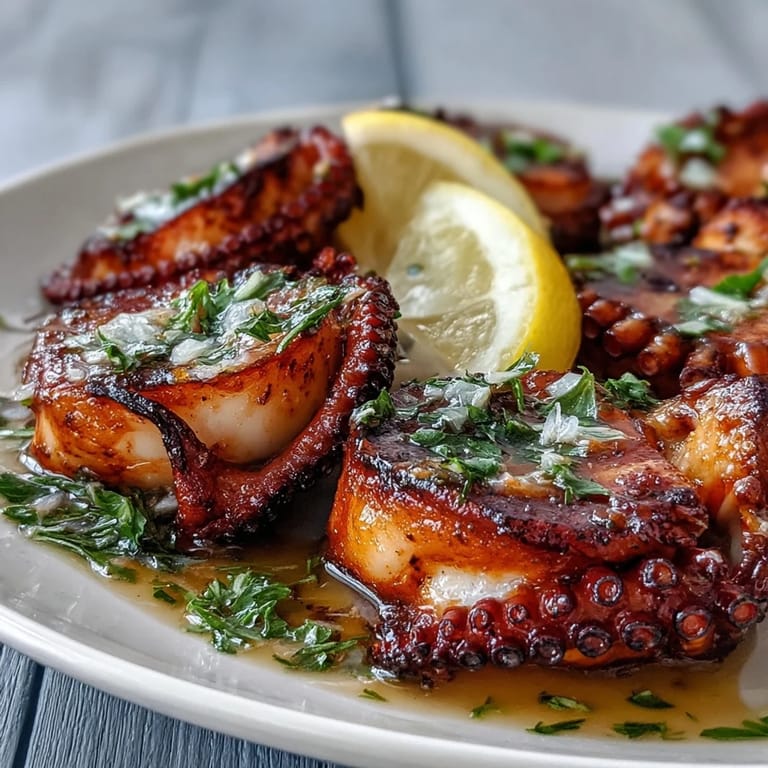
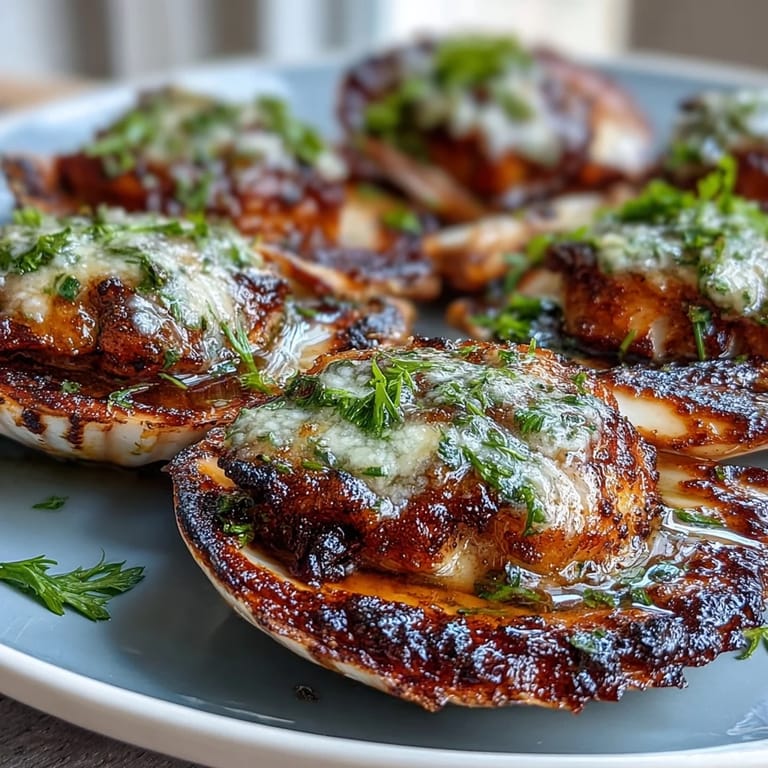
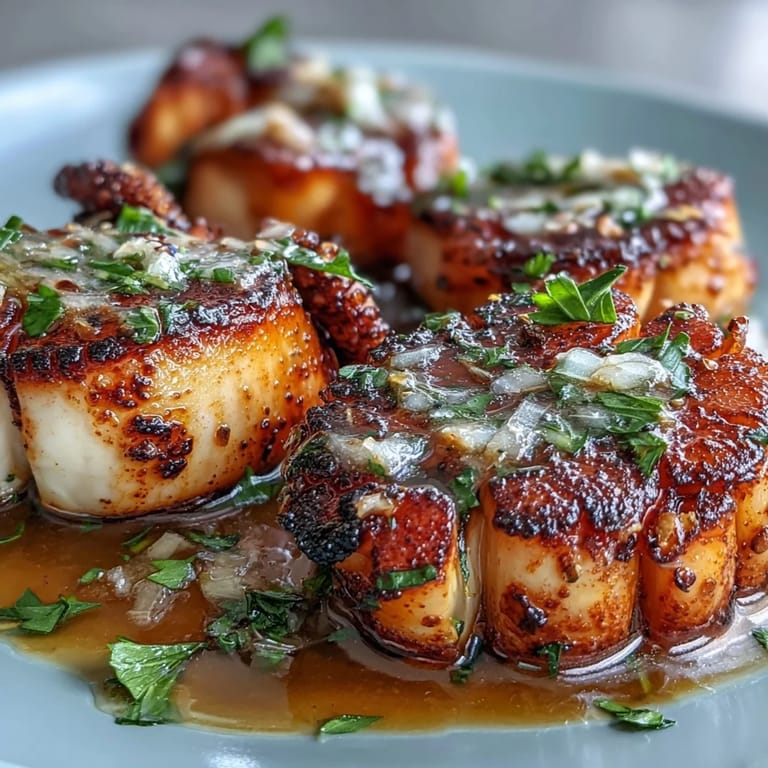
- Return the scallops and any juices that accumulated on their plate back to the skillet, then spoon the lemon butter sauce over them generously. Sprinkle with fresh chopped parsley and serve immediately with lemon wedges on the side.
 Save to Pinterest
 There's a moment after you plate everything, when the lemon butter is still glossy and the parsley is bright green against the pale scallops, that you realize you've just created something that tastes like you spent hours in the kitchen. That's the real magic of this dish, and it's why I've made it so many times that my skillet has practically memorized the choreography.
Pairing Ideas That Work
The brightness of lemon butter means this dish pairs beautifully with crisp white wines like Sauvignon Blanc or unoaked Chardonnay, but honestly a cold pale ale works too if that's your preference. On the plate, steamed asparagus feels like the obvious choice because spring vegetables understand lemon, but roasted fingerling potatoes add earthiness that balances the acid, and angel hair pasta turns this into comfort food dressed in a fancy coat.
Timing and Temperature Matters More Than You'd Think
Getting the pan hot enough is the difference between a mediocre scallop and a spectacular one, so don't rush this step—the oil should move freely and shimmer before the scallops touch the pan. The flip is equally important because you're building a crust, not cooking through, so the second side only needs 1 to 2 minutes max. If you're cooking for people who haven't had properly seared scallops before, this is the recipe that converts them.
Making It Your Own Without Losing the Plot
This recipe is flexible enough to accommodate what you actually have in your kitchen, which is why it's lived in my regular rotation for years. A splash of dry vermouth instead of white wine works beautifully, fresh dill can stand in for parsley if lemon and dill is your flavor language, and a whisper of red pepper flakes adds complexity without changing the soul of the dish. Some nights I add capers, other nights fresh tarragon, and the core recipe is always sturdy enough to hold whatever you're bringing to it.
- Red pepper flakes scattered over the finished dish add heat that makes the lemon taste brighter instead of competing with it.
- If you're cooking for someone who loves garlic, add an extra clove because the brief cooking time means it stays bright rather than getting funky.
- Serve this immediately after plating because lemon butter sauce waits for no one.
 Save to Pinterest
 This is the dish I reach for when I want to feel like I'm cooking something sophisticated without any of the actual stress. It tastes like a restaurant meal and feeds four people in under thirty minutes, which means you get to be both the cook and the person enjoying dinner.
Recipe FAQs
- → How do I ensure scallops sear properly?
Pat scallops dry before cooking to prevent steaming. Use a hot skillet and avoid overcrowding to get a golden crust.
- → Can I use broth instead of wine in the sauce?
Yes, dry white wine or chicken broth can be used to add moisture and flavor while cooking the sauce.
- → What sides complement lemon butter scallops?
Steamed asparagus, baby potatoes, or angel hair pasta make excellent pairings, balancing flavor and texture.
- → How long does it take to cook the scallops?
Scallops sear quickly, typically 2-3 minutes per side until just opaque with a golden crust.
- → Is this dish suitable for gluten-free diets?
Yes, provided the broth or ingredients are verified gluten-free, this dish fits gluten-free preferences.
- → Can I add extra flavor to the sauce?
A pinch of red pepper flakes adds a subtle spice that enhances the lemon butter sauce beautifully.