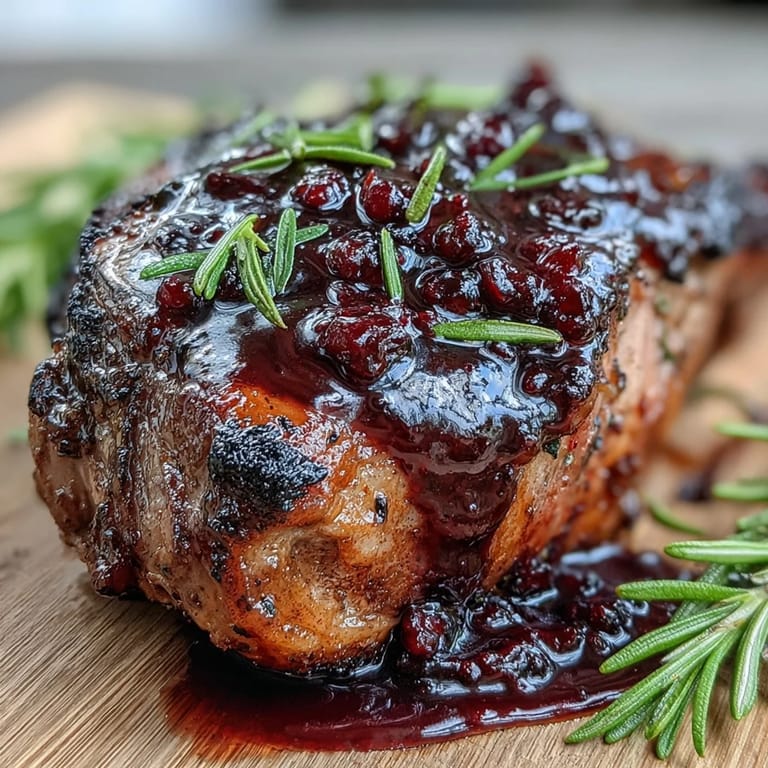
 Save to Pinterest
 There's something almost magical about how a handful of ingredients can transform into something so deep and complex. I discovered black currant reduction quite by accident one autumn evening when I had duck on the menu but nothing prepared to serve alongside it. Rummaging through the pantry, I found a bottle of black currant juice my partner had left behind, a dusty jar of jam, and some rosemary growing wild on the windowsill. Twenty minutes later, I had this glossy, jewel-toned sauce that made the entire kitchen smell like a European wine bar. It's been my secret weapon ever since.
I made this for a dinner party last winter when snow was piling up outside and friends were stranded at my place. Someone had brought venison steaks they'd hunted themselves, and instead of panicking, I simply started reducing this sauce while they played cards in the living room. When we finally sat down to eat, the whole table went quiet for that first bite. That's when I knew this wasn't just a sauce anymore—it was the thing people would ask me to make again and again.
Ingredients
- Black currant juice (unsweetened): This is your foundation, providing that distinctive tart-berry flavor that defines the sauce. Look for pure juice with no added sugars, as the sweetness will concentrate during cooking and balance naturally with the other elements.
- Dry red wine: It adds backbone and complexity, cutting through richness with subtle tannins. I've learned that a wine you'd actually drink makes a noticeable difference here.
- Balsamic vinegar: A small amount brings depth and slight sweetness without overpowering the black currant. Think of it as your secret amplifier.
- Black currant jam: This isn't laziness—it's clever cooking. The jam contributes body and concentrated flavor that wouldn't develop otherwise, plus it helps thicken the reduction naturally.
- Fresh rosemary sprigs: Two sprigs are enough to perfume the sauce without turning it herbaceous or medicinal. The needles release their aromatic oils slowly during simmering, building flavor gradually.
- Shallot and garlic: Finely chopped and cooked gently, they dissolve almost entirely into the sauce, adding savory depth that makes the fruit flavors sing rather than taste one-dimensional.
- Sea salt and black pepper: Freshly ground pepper matters here because it brings a subtle heat that shouldn't be masked by pre-ground dust from the back of your spice cabinet.
Tired of Takeout? 🥡
Get 10 meals you can make faster than delivery arrives. Seriously.
One email. No spam. Unsubscribe anytime.
Instructions
- Combine your base:
- Pour the black currant juice, red wine, balsamic vinegar, and jam into a medium saucepan and place it over medium heat. Stir steadily until the jam completely dissolves, watching as the mixture gradually becomes uniform and glossy.
- Build the aromatics:
- Add the rosemary sprigs, finely chopped shallot, and minced garlic to the pan and give everything a gentle stir. This is the moment the kitchen starts to smell incredible—a signal that good things are happening.
- Simmer gently:
- Bring the mixture to a gentle boil, then lower the heat so it settles into a peaceful simmer. Leave it uncovered and stir occasionally as it reduces, watching the liquid darken and thicken over 15 to 18 minutes until it's roughly half its original volume.
- Finish with care:
- Remove from heat and fish out the rosemary sprigs with a spoon or small tongs. If you prefer a completely smooth finish, pour the sauce through a fine-mesh sieve, pressing gently on the solids to extract every drop of flavor.
- Season and serve:
- Taste the sauce, then adjust the salt and pepper until it feels balanced to you. Serve it warm alongside your protein of choice, and watch how it transforms whatever's on the plate.
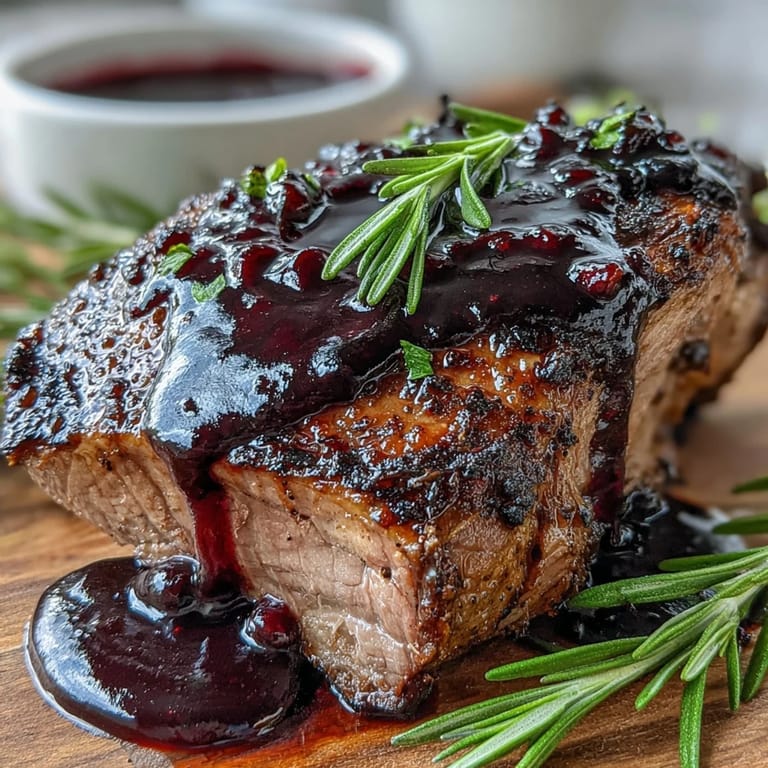 Save to Pinterest
 There's a moment when someone tastes this sauce for the first time and their eyes go a little wide, trying to figure out what they're tasting. That moment of genuine surprise and recognition has become its own kind of reward. It reminds me that cooking isn't about following rules perfectly—it's about creating those small moments of delight.
Why This Sauce Changed My Cooking
Before I started making this reduction regularly, I treated sauces as an afterthought, something to slather on at the last minute from a jar. This recipe taught me that a sauce could be the star, the element that people remember about the meal. It also showed me how a few minutes of attention—gentle heat, occasional stirring, letting time do the work—could create something infinitely better than shortcuts.
Making It Your Own
The beauty of this reduction is how easily it bends to your preferences and what you have on hand. Some nights I add an extra tablespoon of jam when I want it sweeter, perfect for roasted root vegetables or a glaze for grilled tofu. Other times I swap the red wine for port and let it become something richer and more luxurious, almost dessert-like in its complexity.
Serving Suggestions and Storage
Serve this sauce warm so its flavors come alive on the palate, and it will coat meat or vegetables with an elegant sheen. It keeps beautifully in the refrigerator for up to five days, and gently reheating it on the stove brings back its silky texture without any hassle.
- Pair it with duck, lamb, venison, or any game meat that benefits from something tart and complex alongside it.
- Use it as a glaze for roasted Brussels sprouts, beets, or parsnips to add unexpected sophistication to your vegetable side.
- Remember that a little goes a long way—this is a flavor-forward sauce, so drizzle rather than smother.
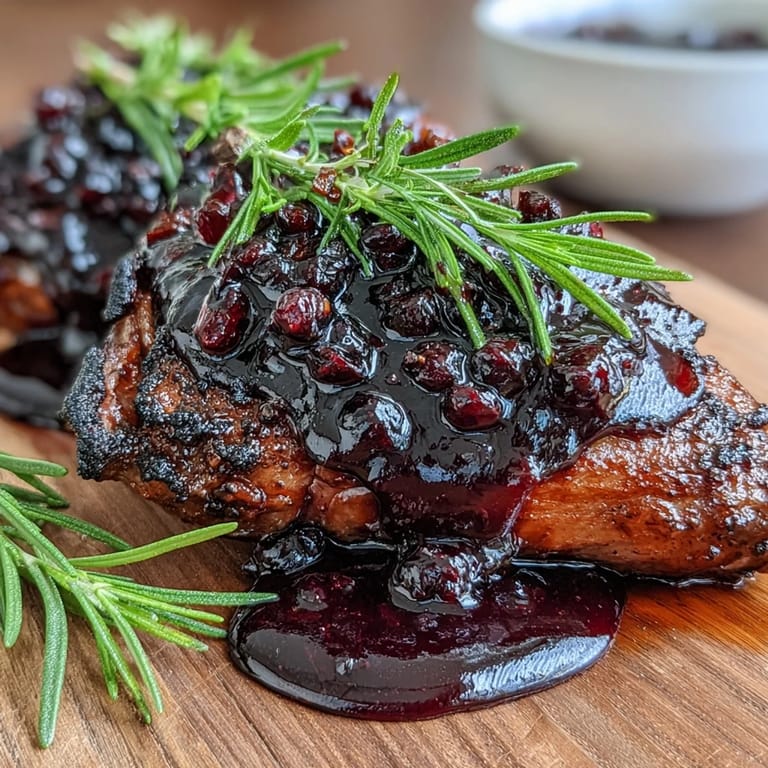 Save to Pinterest
 This sauce has become my go-to when I want to impress without fuss, when I want something that tastes like it took hours but arrived in under 30 minutes. Make it once and it will find its way into your kitchen rotation.
Recipe FAQs
- → What dishes pair best with this reduction?
This sauce excels with roasted lamb, duck breast, venison, and game meats. It also complements roasted root vegetables and can glaze grilled tofu for a vegetarian option.
- → Can I make this ahead of time?
Yes, prepare up to 3 days in advance and refrigerate in an airtight container. Reheat gently over low heat, adding a splash of water if too thick.
- → How long should I simmer the mixture?
Simmer for 15–18 minutes until reduced by half. The sauce is ready when it coats the back of a spoon and has a slightly thickened consistency.
- → What can I substitute for black currant juice?
Cranberry juice or pomegranate juice work well as alternatives, though the flavor profile will shift slightly. Both maintain the tart element needed for balance.
- → Is straining necessary?
Not strictly required. Straining creates a refined, smooth texture, but leaving the shallots and garlic intact adds more body and rustic character to the sauce.